Podcast
New Fantasyland Rising – Stories from a Walk Through the Park

In this special on-location episode recorded in late May 2011, Len Testa and Jim Hill take a walking tour through Walt Disney World’s Magic Kingdom, sharing behind-the-scenes stories, expansion rumors, operational realities, and Imagineering history. From Main Street design psychology to early plans for New Fantasyland, interactive queues, and evolving park strategy, this episode captures a fascinating moment in Disney Parks history.
New Fantasyland Rising – Stories from a Walk Through the Park Transcript
Len Testa and Jim Hill: Hi, this is Len Testa with the Unofficial Guide to Walt Disney World and the Walt Disney World Today podcast. You know, we update the Unofficial Guide twice every year so that you always get the most accurate content possible. And the thing I enjoy most about doing those updates is to talk with Jim Hill about behind the scenes activities, what’s rumored to be happening, and all the other can’t be verified stuff in Walt Disney World. It’s a couple of hours of Jim telling stories and me laughing my head off.
Len Testa and Jim Hill: Jim and I thought it would be fun to capture the spirit of those talks for y’all to hear, and it just so happened that we were both in the Magic Kingdom at the same time one weekend earlier this year. What you’re about to hear was recorded in late May 2011. You’ll recognize where we are in the park by some of the distinctive background music too. Jim and I hope you enjoy this little tour of rumors and probably completely unverifiable innuendo. We hope you take a moment to review it on iTunes too, and send us an email please if you have any suggestions for future episodes. Enjoy the show.
Len Testa and Jim Hill: So we’re on here on Main Street, we’re over in front of the new Town Square Theater, which used to be the Exposition Hall, but the problem is Americans can’t spell exposition. But I do give them the credit because it’s theater spelled the correct way with the ER instead of R-A, which is the Autre. There you go, there you go. Actually, the interesting piece about this building, and back in the day, this was the Gulf Hospitality House, but if all had gone according to plan in 69-70 or thereabouts…
Len Testa and Jim Hill: This would have been Disney’s first in-theme park hotel. Really? Yeah, Dorothea Redmond actually gave us this amazing set of plans. In fact, if you pick up a copy of the art of Walt Disney World, they actually have a second-tier hotel. It was going to be amazing. But more to the point, it was going to be tall enough that one of the things that’s kind of interesting about why this building is positioned here and it is the height it is — so you can’t see the Contemporary.
Len Testa and Jim Hill: Oh, nice. So, I mean, it’s deliberately the tallest building, you know, bulk-wise of the ones on Main Street. But yeah, this would have been the in-park hotel, but in the end, you know, as things that were on the table that were suddenly more expensive or outside of Disney’s purview, I mean, you’ve got to remember, before Disney World opened up, Disney didn’t operate any hotels. Yeah. The Wrather Corporation ran the Disneyland Hotel. And in fact, for a long time…
Len Testa and Jim Hill: U.S. Steel was supposed to run the ones down here. They were building the Polynesian. Right, and the Contemporary, right? Yep. And they were supposed to lease them back to Disney, and Disney was going to operate them. Eventually Roy Disney just — to be honest, when U.S. Steel was building the hotels, it was kind of a conversation in July. It’s like, yeah, we’re going great. By the way, we won’t be available for the October 1st opening. And one of the reasons that the budget for Walt Disney World went ridiculously over — I mean again, this project was budgeted for 100 million, came in at 400 million — was that the company had to buy out U.S. Steel.
Len Testa and Jim Hill: Just get out. Anyway, back to Main Street. Are they doing anything with Tony’s Town Square? It’s going to stay the restaurant? Yeah, for now. The weird thing is it is destination dining. And right now, I mean, they are technically eyeballing, given the success of Main Street Theater. It’s like…
Len Testa and Jim Hill: Alright, so… The Disney Princesses are not in there forever, obviously. They’re gonna have their own Fairytale Hall. Right, everybody’s Snow White. Yes, so long term, it’s okay. Mickey’s a success. What can we do… you know, the princesses are on that side of the building. What can we do here that’s a character dining opportunity with a meet and greet thing? So, they are definitely circling that idea. But as of right now, they’re Tony’s Town Square.
Len Testa and Jim Hill: You know when you’re making that much money you don’t — that’s like why are we doing this? Yeah, and the funny thing is that would be probably the last place in the Kingdom that I would try and — well, Cinderella’s maybe. But you know for the cost actually it’s probably up there, but like I would prefer Liberty Tree Tavern and many counters. Huh, interesting. What about the Chapeau or the Confectionery?
Len Testa and Jim Hill: Well, I think we were talking about this the other day. I mean literally this is the design here. This is off of the fact that Americans are right-handed. And given the whole notion of it, you walk into the park — it’s Florida — you know if you and I with our rather large foreheads, it’s like hey I need a hat. And it’s right there. And as you proceed up the street, I need a snack, I just got here — hey, the bakery is there. Or I need film for my camera. I mean now so the stuff that you need when you’re coming in is on the right, and the stuff that you want on the way out — that’s exactly on the right coming back — is the souvenirs.
Len Testa and Jim Hill: And then it gets even more fiendish than that. That as you come in… If I wasn’t a stockholder I’d say that was evil. But since I am, it’s brilliant. Brilliant. Well, the other thing is, you know, I mean when you walk in in the morning, all right, you have march music. They are — you got 76 trombones — get your wallet out. You know, moving up the street. And the interesting thing is that now literally like five o’clock in the afternoon, they suddenly switch over to waltzes. You know, kind of medium tempo like saunter strolls. Stay, why are you going so soon? That’s right. Stay. Hey, how’s your wallet? Still good? Kind of heavy, we can lighten it for you.
Len Testa and Jim Hill: But again, what is just absolutely fascinating about this is we were this past weekend shown this amazing set of construction photos for Main Street. Yep. And honestly, you know, it’s so obvious, but it’s like — the buildings themselves are just conventional buildings. Everything here that we’re looking at, these are artificial facades that bump out away from the standard square rectangular structure. And you’ve got all these admin buildings upstairs.
Len Testa and Jim Hill: But as you can hear in the background here, they still use this as a performance space. It really clogs up Main Street too when they do that. It does. But on the other hand, again, this sense of occasion when you start early in the day…
Len Testa and Jim Hill: Are there changes to shopping? They are reviewing the opportunities. I mean, obviously we have watched the 19th century version of this in Disneyland. There wasn’t the adherence that you saw with the ’55 Disneyland. You didn’t have the actual drugstore with the leeches. But here again you don’t have the tobacco shop, you don’t have the photography place. You are looking at what else could we be doing.
Len Testa and Jim Hill: Honestly, part of the problem is that this audience — the people who are here today — they don’t connect with turn of the century. I mean, this is charming. But it’s not getting — it’s all lost on them. Yeah. I mean again, it’s one of the reasons why the Imagineers have pushed for the last couple of parks when they’ve done Magic Kingdoms.
Len Testa and Jim Hill: For example, the original plan — there were two plans for Hong Kong Disneyland. And one of them was, OK, we keep Main Street and forget about keeping the stores authentic. It’s like you walk by a turn of the century facade but it’s a Chili’s. You know, it’s a lovely ornate grillwork and it’s The Gap. But the other idea — and honestly I wish they had pursued it — was 1950s America. So it’s big fin cars and it’s, you know, you go down to the TV shop where it’s like my God they’ve got a 15 inch screen. A color TV. No, you gotta see this.
Len Testa and Jim Hill: You know, and it’s just the whole notion of Letterman sweaters, you know, that’s Richie, that’s Potsie, you know that sort of vibe. And in the end — because honestly when Hong Kong was being put forward, Eisner had fallen out of being in love with being an architecture patron. Really? Yeah. I mean just think about it. When you drive around Disney property you see so many spectacular buildings that Eisner himself put out there. But the downside is that somebody actually had to maintain those buildings.
Len Testa and Jim Hill: Anything happening with Casey’s? Well Casey’s we just tried, right? Casey’s has new hot dogs. Those are fabulous. Is there anything else happening on this end of Main Street towards the castle? Well obviously we’re now dealing with the new memory show and using the castle as performance space. That campaign is kind of a dud. Really? Well it’s certainly not doing what they expected.
Len Testa and Jim Hill: I mean for example just tonight — the Monday night — there’s a single show, 9:45. And in fact these days people are like oh, oh there’s something. They turn around while they’re moving in the park. You know, the whole notion of go stand in front of the castle and see pictures of yourself hasn’t landed. People don’t realize that.
Len Testa and Jim Hill: The concept and technology are great. Absolutely. It goes on a little long, but somebody said it best. I was with somebody at Disneyland. We were watching it get projected on Small World. And they said the exact same thing. It’s colorful, it’s pretty, it’s a great idea. But in the end, who wants to look at someone else’s vacation photos?
Len Testa and Jim Hill: There you go. And that’s the thing. They are now looking to what can we do storytelling-wise. Storytelling? That would be interesting. So like a movie or something? Well more to the effect of, for example, Mickey’s Not So Scary. The notion of okay if Maleficent takes over the castle, it’s like you can watch her wave her magic wand and literally watch the vines cover the building. You could have Madam Mim on one turret and Merlin on the other turret having a wizard’s duel.
Len Testa and Jim Hill: At this point, entertainment is storyboarding their ass off trying to find some way to do this. Yeah, because again, all of this infrastructure is in place, but as of right now, it’s just not landed.
Len Testa and Jim Hill: Yeah, I saw it once. I’ll sit here once just to see it, but it didn’t have the staying power that I thought it was. No, no, no, absolutely. Absolutely. And again, for repeatability, it’s not something — you know, it’s not something like the fireworks, which I just saw the other night. The fireworks, I have to see them again. Yeah. This is like yeah, the castle thing — got it.
Len Testa and Jim Hill: All right, so we’re on our way to Tomorrowland, and we just went through the Tomorrowland Terrace — the former Noodle Station. It’s still the Noodle Station, but any plans for that? The problem with it is — I mean, it’s a great idea, great concept, right? Asian food in the park. There was some variety. It was different. It’s not something that they normally do. I love the idea. The execution left something to be desired.
Len Testa and Jim Hill: And more to the point, I mean again, you get this constant pushback about, you know, they said the terrace area has this primo view of the castle. It does. And they would really love to be able to capitalize on it in an ongoing basis. So you do have things like the fireworks dessert parties. You do have the seasonal pieces of entertainment they do here along with the old viewing areas for the Swan Boats.
Len Testa and Jim Hill: But again, this is the problem. It’s just sort of like you have to have areas where when you have that seasonal bump of attendance — we have 30 or 40,000 more people in the park — and more to the point, they’re willing to pay a premium price for the holidays to do something like this. Because they set up buffets here during — they do, they do. But it’s just the whole notion of it means you have to leave it empty or basically underused for 300 days out of the year for the 65 days where you make money hand over fist.
Len Testa and Jim Hill: So, you know, again, we’re standing here at what, 10:30 in the morning? This is empty. I mean it’s a commanding view. It’s a beautiful view of the castle, just looking at it. Yeah, but at the same time it’s just sort of like why spend money to change this and fix this when you know one, for two months out of the year you make so much money out of this location. Just like no, leave it alone. We could spend the money wiser on things we actually need to.
Len Testa and Jim Hill: Not to say they haven’t given the menu a look at changing at the restaurant up there. It wasn’t all that long ago they served burgers out of this place. But yeah, it’s not on the list.
Len Testa and Jim Hill: All right, so we’re coming up on the main walkway between the hub and Tomorrowland. We’ve got Stitch up on our left. We’ve got Monsters Laugh Floor Comedy Club on our right. So far today, not much of a wait for either of those. Very true. But again, Tomorrowland has always, always been problematic.
Len Testa and Jim Hill: The main problem with this particular area right here, this walkway between the central hub and the Astro Orbiter, is facades. The two entrances are like 90 degree angles to the walkway. It’s not like there’s a slanted walkway. There’s nothing that beckons you in. Not like carnival barkers in New Orleans. Well, it’s not for lack of trying. I mean you’ve got Vegas-style marquees out here and they’re making the effort.
Len Testa and Jim Hill: And in fact what’s kind of intriguing is that boy, if they had gone forward with that Incredibles attraction, this would really have changed things out. Incredibles attraction? Yeah, well, there was. It’s kind of one of the sadder stories of recent Disney history.
Len Testa and Jim Hill: It’s the KUKA arm — sort of the key to the Harry Potter thing. I just had somebody explain to me the whole layout of what they were looking to do. It was amazing. They were going to literally sacrifice Laugh Floor. That was going to be your queue. And you literally go back and forth and you are in the Incredibles training facility.
Len Testa and Jim Hill: And they were going to — where the old Galaxy Palace Theater, which is now backstage parking, is — like a KUKA arm ride through. And the beauty of it was that they were going to be able to dial up — if you wanted Mr. Incredible-level extreme attraction versus Jack-Jack, you could dial it down to a kid-friendly ride. I mean it was literally interactive.
Len Testa and Jim Hill: But the beauty of it was that they were going to make one central giant Pixar Toy Story location, which they would have dumped the Buzz Lightyear riders with the Incredibles riders into one giant retail opportunity.
Len Testa and Jim Hill: Never happened. Well, part of the problem is frankly that Universal has an exclusive on the KUKA arm for five years. And then at that point it moves on. Once that’s done, Disney will get a little more aggressive with the technology. But at the same time, this really is Disney being eclipsed by Potter.
Len Testa and Jim Hill: Anything going on with Carousel of Progress as we walk by it? I got stuck on this on New Year’s Eve six times in a row in the last scene. Thankfully, the last three they turned off the audio so it was just the characters going through the motion. It was a little spooky.
Len Testa and Jim Hill: There has been a plan in place for a while now to move Carousel over to Epcot as part of Innoventions. But again, Disney has been hesitant to pull the trigger on this because it’s one of these things where there’s enough information out there about the famous thing that John Hench said about Carousel of Progress — that there’s more Walt in that attraction than anything else on property.
Len Testa and Jim Hill: But at the same time, let’s be honest here — that’s not the Walt version. This is the version with Jean Shepherd that got re-recorded in the 90s. Don’t get me wrong, he’s a fan of Christmas Story. I love the fact that there’s a Red Ryder rifle with the BB gunner cup in the stock. It’s literally on the kid’s bed in the 40s. But it’s just not a priority. At least not now.
Len Testa and Jim Hill: They’ve had meetings about can we at least get a new television in there? Can we at least update the video game? Because come on — this is ridiculous. It’s classic early 90s technology.
Len Testa and Jim Hill: So what’s going on with — we just actually passed a couple of things here. We passed the Tomorrowland stage that was the aborted home of Stitch’s Supersonic Celebration, the most bland but yet best — if by best we mean worst — on-stage show ever in the history of Magic Kingdom. What are they doing with that?
Len Testa and Jim Hill: Two words: John Carter. John Carter. Oh yeah, John Carter of Mars. You are going to see some pretty impressive work done here to promote that film. When’s it come out? That comes out next March or thereabouts. They’ve actually rotated it down to sort of the Alice in Wonderland slot that the Tim Burton movie had a year or so back with the hope that it will catch and be able to move lots of DVDs and that sort of thing.
Len Testa and Jim Hill: I mean there’s — that’s been kind of an interesting project because Disney’s made a deliberate effort to — this was supposed to be Pixar’s first live action. They began looking at the dailies and it’s like, you know, Disney can release this. So I don’t know, it’s going to be interesting to see how that one lands.
Len Testa and Jim Hill: But that supposedly holds the key to — there’ll be character encounters. In fact I think we’ve talked about how they were going to take giant-sized maquettes from the six-armed horses and warriors and that sort of thing and actually place them along the PeopleMover track to try to add some new kinetics.
Len Testa and Jim Hill: But yeah, so much of this depends on how that movie does and then in turn how much they’re willing to spend to bring it in here. Are they going to release the theme park stuff along with the movie or are they going to wait and see how the movie does? You have to shake the Magic 8 Ball on that.
Len Testa and Jim Hill: It’s kind of like what just happened with the Enchanted Tiki Room. I’m sure you heard the news that broke over this weekend. The weird thing is I called over to Imagineering ten days ago. They swore up and down, no we’re not doing anything with Tiki. We’re going to bring it back to what it was.
Len Testa and Jim Hill: But it keeps — it was going to be under new management again. And now they’re very cagey in their language. They’re getting to the effect of we’re going to be bringing back an enchanted Tiki-like attraction that pays tribute to the original.
Len Testa and Jim Hill: Part of the problem again is that Wally Boag has been in poor health for years. So many of the other people who recorded for it are gone. So you can’t really fix it. But again, the notion that here was — we’re not going to do it, we are going to do it, we’re not going to do it, we are going to do it — the 40th anniversary is coming up, we have nothing that really is tied to the original. Okay fine, we’ll do that.
Len Testa and Jim Hill: Is that what that’s going to be? Yeah. That’s their big hey we’re bringing it back for the 40th. It’ll be back up in October as our gift to the guests.
Len Testa and Jim Hill: I don’t see it staying though. As much as I love the original, it’s there in Disneyland. It’d be one of those things where I’d see it once in Walt Disney World just to see it again in Walt Disney World and that would be it.
Len Testa and Jim Hill: But see that’s the thing. That’s the frustration from a lot of the Imagineers — nostalgia won out again. That rather than doing — in fact the thing we talked about the other day — rather than doing Pirates of the Caribbean, come in here and this is where you get your parrot. Something fresh.
Len Testa and Jim Hill: Absolutely. But at the same time, it’s easier, particularly in an anniversary year, to sell nostalgia. So okay fine, we’ll spend the money. But they’re going to be very careful about what they take out. They’re not going to take out, you know — it’s amazing, the figures. But it means that if you don’t do that, you can’t do the old classic Tiki show with the fountain and all that.
Len Testa and Jim Hill: I think that’s the other thing that people just don’t understand about Imagineering — about literally how fluid things are. When a sponsor will fall out or a sponsor will make a weird demand. For example, when they brought Carousel of Progress here to Walt Disney World, about that time GE changed its slogan.
Len Testa and Jim Hill: So “There’s a Great Big Beautiful Tomorrow” — they literally turned to the Shermans like look, we have this new slogan, like now is the time to buy a new product. Could you build a song around that? But it’s a beloved song. We don’t care. So it’s like okay fine. We’ll redo the show. We’ll do the song all on the back of a demand of a sponsor.
Len Testa and Jim Hill: I think people who work in big companies understand how things change. If you’ve ever had to do a multi-year budget in a big company you totally understand how these things work. I think a lot of people who haven’t yet had that experience, it’s kind of a black box to them.
Len Testa and Jim Hill: But at the same time Disney has to own a piece of this. Of any entertainment company, they built up this cult of Walt. Walt’s tenets, how Walt did the parks. You can’t put that mythology out there and then ignore it. This is how we do things — except we don’t. Now give us your money.
Len Testa and Jim Hill: So that’s a frustration. But on the other hand, they sell books, they sell videos, they sell DVDs with Walt out there saying this stuff. They can’t help but have people say, why are you not doing that?
Len Testa and Jim Hill: Is there anything going on with Space Mountain? As of right now, just if it ain’t broke don’t fix it. They’ve freshened it up. It’s kind of — we’re standing outside of Tomorrowland Speedway right now. There has been a Cars-themed overlay on the table, off the table, on the table for three years now.
Len Testa and Jim Hill: This is one of the more obvious overlays. I don’t understand why they’re not doing that. To be honest it’s kind of a turf war. Walt Disney Studios long term — we’re talking 2016-2017 — will get Cars Land, the new land that’s being built for California Adventure. So the notion is that’s where you’ll go see the Cars characters. You’ll be able to ride inside of them.
Len Testa and Jim Hill: So they’re the ones who sort of threw themselves in front of the Cars characters being brought over to Tomorrowland. That’s 2016, it’s 2011. You could still run it for five years. You’re thinking rational again, Len. You have to remember how these people operate. The VPs of the individual parks are ridiculously competitive when it comes to money to build new attractions.
Len Testa and Jim Hill: So we’re overlooking it. We’re looking over at the new layout for the back end of the Tomorrowland Speedway — sort of the offloading part. They redid the track because of the Tomorrowland Transit Authority and the Fantasyland expansion.
Len Testa and Jim Hill: We’re looking over now — can sort of see what’s left of the Barnstormer, which is going to be the Great Goofini. Yes it is. And then we see the circus tent from Storybook Circus. I don’t know, it could just be my poor architectural eye. It looks a lot like the Toontown Hall of Fame tent, but I could be wrong. I’m sure there’s some sort of difference there.
Len Testa and Jim Hill: No subtle difference whatsoever. And again — hey, we got a tent. What can we do with it? Let’s go back to the archives. What films involve tents? Tents, tents, tents.
Len Testa and Jim Hill: Well, you know, when you get right down to it, honestly, the reason this building is still standing is that is where County Bounty was housed. County Bounty — the store — was second only to the Emporium on property for sales of merchandise. Wow. And literally the retail folks just — it was one of these things. All right, we’re going to flatten that. We’re going to put this into the — are you high? Are you crazy?
Len Testa and Jim Hill: So they threw themselves in front of that and actually that in a lot of ways forced the whole Storybook Circus development because it was one of the last areas to be fleshed out in terms of the expansion.
Len Testa and Jim Hill: And still what you look at — the article — what goes here? Nobody knows. They are deliberately being vague because frankly a lot of this is still very much up in the air.
Len Testa and Jim Hill: In a lot of ways it’s an empty victory to keep the equivalent of County Bounty here. I mean this is where they’re going to put in Big Top Souvenirs. And the gimmick is you’re going to be standing there under the Three Little Pigs who are going to be doing a high wire act over your head. It’s actually some limited movement AA figures. It’s going to be kind of cool.
Len Testa and Jim Hill: But the reality is that building store did as well as it did because parents were trapped there waiting for their children to go through the princess and character photo op. And now there is no character photo op tied to that. It’s not going to do the same numbers unless they bring one back in.
Len Testa and Jim Hill: Trust me, they are looking. They’re going to be doing play testing for a Dumbo-based character greeting. But honestly it’s like stand next to the giant elephant, honey.
Len Testa and Jim Hill: So on this side, what’s this sort of construction stuff that’s immediately to the left of Storybook Circus? We’re actually looking at a little bit of back-of-the-house stuff for Mermaid. There will be rock work to cover up some of that. You’re going to enter through a portal — we’re sort of loitering in the exit area for here — but there’ll be a portal roughly in this area for the Storybook Circus thing.
Len Testa and Jim Hill: Over by Mad Tea Party. That’ll blend out and be a logical transition from the Little Mermaid area. Mermaid is going to be pretty cool, but at the same time they want it to be a people-eater and they’re still adjusting the ride time. We’ve heard somewhere between five and a half and eight minutes is what they’re playing with. They’re going to hit six and a half.
Len Testa and Jim Hill: And that’ll be around what, 1700 to 2000 people an hour? It’s still going to be amazing. And you’re going to have your character meet and greet component in some of the caves coming off of this thing, coupled with retail. Again, it’s a one-stop shop for the Mermaid fans.
Len Testa and Jim Hill: By the way, we’re in the great expansive — this is sort of the DMZ, the no man’s land between. So we’re over by Winnie the Pooh right now, and there’s a bunch of stuff over — well essentially it’s a construction wall that goes from Mad Tea Party through the end of — this literally this weekend I got the story as to why this is a sea of concrete.
Len Testa and Jim Hill: You are literally right here now standing over the tunnels. Really? We’re over the tunnels? All right. That explains why the concrete is cracking the way it is. But the other issue here is that this is why this has had little to no green space forever. You had the lagoon here for 20,000 Leagues.
Len Testa and Jim Hill: In fact that’s one of the components. We’re looking at some of the placeholder trees now that will eventually be dropped into spots all over the Fantasyland Forest thing. They’re hoping to up the green and more to the point create more shade and get people to linger over here.
Len Testa and Jim Hill: Because ultimately again this is what this is all about. They want you to stay deep back in the park, spend money on food, merch. But this right now is nothing but a sea of concrete. We’re actually in the middle of the concrete and you can feel the heat.
Len Testa and Jim Hill: As I was saying earlier, we’re looking ahead at Dumbo. And again that’s going fairly shortly. Picture a wall cleaved down the middle of that and from this point forward is the Fantasyland Forest. So trees come up here and plants and walkways.
Len Testa and Jim Hill: So we can kind of see through some of the trees the stuff that’s going on with Fantasyland. Belle’s castle — that’s it exactly. You’re seeing your faux mountain range being put into place now. Made out of genuine faux.
Len Testa and Jim Hill: The space we’re staring into now is where Seven Dwarfs Mine Train will go. Literally is the attraction that sits between Big Thunder and the Great Goofini. It’s a younger kids style attraction, but instead of one hill and one run-out like Barnstormer, and three like Big Thunder, this is really two hills and a run-out.
Len Testa and Jim Hill: And the portion in the middle entry — they confirmed cameo by Snow White and alluded to the fact you may see the witch. Definitely a go.
Len Testa and Jim Hill: And again, this is really about capacity. This is about that whole notion of creating attractions that will pull people deep into the park and keep them here. And more to the point, giving them something that sits comfortably between Barnstormer and Big Thunder. Because there really hasn’t been that bridge attraction.
Len Testa and Jim Hill: So from this angle you can kind of see where Beast’s Castle is going to sit. That’s actually the restaurant. And that’s the other thing people forget. That’s not the ride. That’s Be Our Guest. And that is going to be a table service restaurant at night, quick service during the day.
Len Testa and Jim Hill: They’re betting heavily on that. It’s one of the most ambitious restaurant projects they’ve ever done inside a theme park. Three separate dining rooms, the West Wing with the rose, the ballroom with snow falling outside the windows, and then the library gallery room. They’re really going for atmosphere.
Len Testa and Jim Hill: But again, throughput. That’s the key. That’s always the key. Can we get enough people in and out? Can we turn tables fast enough? Can we make this work operationally? Because you can build the most beautiful space in the world, but if it can’t handle the volume, it’s a problem.
Len Testa and Jim Hill: And right next to that is Belle’s Enchanted Tales. Which, by the way, is fascinating from a design standpoint. This is a 40-minute character interaction experience. That’s long. That’s really long for a theme park.
Len Testa and Jim Hill: But what they found in testing was that little girls, especially, would do this over and over again. They didn’t mind the wait because they became part of the show. You get assigned a role, you go through the magic mirror, you help retell the story. It’s immersive.
Len Testa and Jim Hill: The concern, though, is scalability. How many guests per hour can you really push through something that intimate? That’s always the tension between storytelling and operations.
Len Testa and Jim Hill: And then over here, this whole stretch where the construction walls are — that’s where Gaston’s Tavern is going to go. Which I love conceptually. No Belle merchandise. No Beast merchandise. It’s all Gaston. It’s antlers and turkey legs and giant cinnamon rolls.
Len Testa and Jim Hill: That’s actually one of the smartest parts of this expansion. They’re not just building rides. They’re building retail ecosystems. You exit Mermaid, there’s merch. You exit Mine Train, there’s merch. You go through Be Our Guest, there’s merch. It’s all connected.
Len Testa and Jim Hill: And speaking of exit-through-retail, that’s what they’re doing over at Haunted Mansion too. The interactive queue is only part of it. They’re also building a dedicated shop.
Len Testa and Jim Hill: The queue is fascinating. The notion of “Do you want to go the fast way or the fun way?” That’s the choice they’re experimenting with. You can bypass the interactive elements or you can engage with them.
Len Testa and Jim Hill: But they’re still trying to figure out how to explain that to guests. Because some people just want to check it off the list. Others want to play with the xylophone made of bones.
Len Testa and Jim Hill: That bone xylophone is great. The Ravenscroft Model 5000. I love the key play on that. It’s those little touches that make it work.
Len Testa and Jim Hill: But the larger strategy is this: they are spending $500 million on queues. Not rides. Queues. Because guest satisfaction scores show that perceived wait time matters more than actual wait time.
Len Testa and Jim Hill: If you’re entertained, if you’re engaged, you don’t mind standing there as much. And if you don’t mind standing there as much, you’re happier. And if you’re happier, you spend more money.
Len Testa and Jim Hill: That’s the system. It’s all connected.
Len Testa and Jim Hill: And then you layer on top of that the FastPass evolution. They’re looking at tiered systems. They’re looking at tying it to resort stays. They’re looking at priority dining incentives.
Len Testa and Jim Hill: If you lock yourself into a park day in advance, that helps them forecast staffing. It helps them schedule performers. It helps them manage food inventory. That’s why they care about advance commitment.
Len Testa and Jim Hill: Guests think it’s about convenience. And it is. But operationally, it’s about predictability.
Len Testa and Jim Hill: And as we walk back toward Liberty Square here, you can see how everything funnels. That’s deliberate. Every pathway is engineered to manage flow.
Len Testa and Jim Hill: So we’re heading past Haunted Mansion now, and this is where that new queue really changes the dynamic of this corner of the park. Because before, this was just switchbacks. Now it’s interactive. Now it’s kinetic. Now it’s something you actually want to experience.
Len Testa and Jim Hill: And that’s the interesting thing — they’ve essentially created a pre-show before the pre-show. By the time you get into the stretching room, you’ve already been entertained for fifteen or twenty minutes.
Len Testa and Jim Hill: And again, this is about repeatability. If you can give someone a reason to go back through the left side of the queue because there’s a treasure they didn’t find, or an effect they didn’t trigger, suddenly you’re getting two rides out of one guest impulse.
Len Testa and Jim Hill: There was even talk at one point of capturing your own ghost at the end of the attraction. That seems to have backed off. But over at Pirates, the magical compass idea — the notion that you’d have an app that interacts with the environment — that’s still floating around.
Len Testa and Jim Hill: The Sparrow compass. Exactly. You wave it around and it points toward hidden treasure. That kind of thing. That’s the direction they’re heading. Blending physical sets with digital interactivity.
Len Testa and Jim Hill: And again, this is why the whole “fun way versus fast way” concept is so important. Some guests want maximum efficiency. Others want maximum immersion. Disney’s trying to give both without breaking capacity.
Len Testa and Jim Hill: But capacity always wins. That’s the rule. If an effect slows down loading, it goes away. If a show scene reduces hourly throughput, it gets reworked.
Len Testa and Jim Hill: And you see that philosophy even in small things. The post-show retail space here at Haunted Mansion — that’s intentional. You exit into merchandise. You just experienced something emotional. Now you can buy a memento.
Len Testa and Jim Hill: It’s smart business. It’s also classic theme park design.
Len Testa and Jim Hill: As we move back toward Frontierland, you can see how Big Thunder acts as a weenie for this side of the park. It pulls you in. Just like the castle pulls you down Main Street.
Len Testa and Jim Hill: And that’s the other fascinating thing about this whole expansion. They’re essentially creating new weenies in Fantasyland. Beast’s Castle on the hill. The Mine Train mountain range. These visual icons that draw you deeper.
Len Testa and Jim Hill: Because historically, Fantasyland was a cul-de-sac. You went in, you rode Peter Pan, you rode Small World, you left. Now they want it to be a destination you linger in.
Len Testa and Jim Hill: Shade helps. Trees help. Seating helps. Food helps. All of that encourages dwell time. And dwell time equals spending.
Len Testa and Jim Hill: That’s the unromantic truth behind a lot of this. It’s storytelling, yes. But it’s also economics.
Len Testa and Jim Hill: And as we loop back toward the hub, it’s kind of amazing to think how much of this is still in flux. Plans change. Budgets shift. Sponsors intervene. Movies hit or flop.
Len Testa and Jim Hill: But the through line is this — the park is never static. It’s a living thing. It evolves. Sometimes in big half-billion-dollar swings like this expansion. Sometimes in subtle queue tweaks or retail additions.
Len Testa and Jim Hill: And that’s why it’s fun to walk it. Because if you pay attention, you can see the future under construction.
Len Testa and Jim Hill: And sometimes you can see the past peeking through too.
Len Testa and Jim Hill: So that’s our stroll through the Magic Kingdom. A snapshot of where things stand in 2011, with New Fantasyland rising and a lot of other moving pieces behind the scenes.
Len Testa and Jim Hill: Thanks for walking with us.
Support the Show
- Leave a Review on Apple Podcasts
Support Jim Hill Media on Patreon at https://patreon.com/JimHillMedia.


Podcast
Epic Universal Podcast – Aztec Dancers, Mariachis, Tequila, and Ceremonial Sacrifices?! (Ep. 45)

Release Date: April 4, 2025
Listen to the Show Ad Free on Patreon: patreon.com/jimhillmedia
Jim Hill and Eric Hersey return with more Epic Universe updates, rumors, and retro fun. From the Universal Portal Tour and Express Pass prices to Ghostbusters speculation and a throwback to Universal’s 1968 Mardi Gras event – this episode covers it all.
Eric’s Surprise Trip to Universal During Blackout Dates
Eric and his family were gifted a last-minute timeshare trip to Central Florida for Easter week. Unfortunately, their Power Passes are blacked out during the exact dates they’ll be there, leaving them with only April 12 and 13 to squeeze in a visit.
Jim’s Delayed Visit to Epic Universe
Jim shares that Nancy is scheduled for hip surgery on May 20 – just two days before the park opens. With flying and long drives off the table during recovery, Jim is likely postponing his first Epic Universe visit until September, possibly during IAPA.
Epic Universe Portal Tour Coming to Five Cities
Universal’s hype-building campaign hits the road with immersive Portal Tour setups featuring Kronos Tower photo ops, props, characters, and a collectible passport. Stops include:
- Orlando, FL – April 6 at Lake Eola Park
- Atlanta, GA – April 13 at Atlantic Station
- Philadelphia, PA – April 20 at Penn’s Landing
- New York, NY – April 27 at Flatiron Plaza
- Chicago, IL – May 4 at Pioneer Court
Permit Filed for Rip Ride Rockit Demolition
Universal filed a permit labeled “Project 902” that hints at demolition and reconstruction at the Rockit site. While no official confirmation has been made, the language in the permit strongly suggests a major change is coming.
Ghostbusters Attraction Rumors
Fan speculation is swirling around a potential Ghostbusters-themed attraction replacing Rip Ride Rockit. Reddit and forum posts mention a vertical layout and the possibility of reusing the New York backlot theming for a ghost-busting shooter or dark ride. Jim and Eric discuss the likelihood – and whether Fast & Furious is the more realistic option.
Monster Makeup Experience Now Bookable at Epic Universe
The Dark Universe land is offering guests the chance to become a classic Universal Monster using real prosthetics and special effects makeup. At $149.99, the package includes the transformation, a collectible lanyard, themed box, and photo ops.
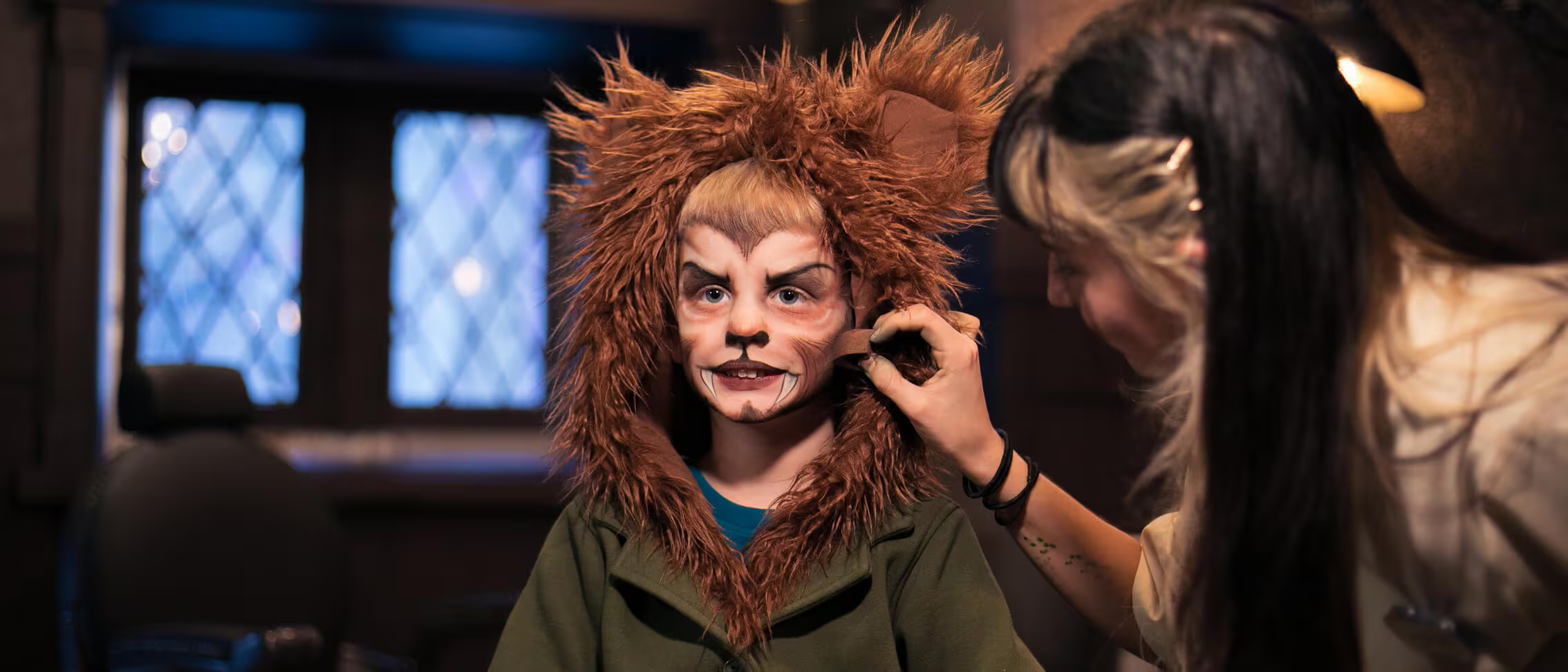
Jim questions whether this experience will last or suffer the same fate as past attempts like Disney’s Pirates League. Eric compares the time and money commitment to face painting and Bippity Boppity Boutique.
Express Pass Pricing and Ride List Revealed
Universal confirmed the pricing tiers and eligible rides for Epic Universe Express and Express Unlimited. Prices start at $89.99 and may increase on peak days. Eligible rides include:
- Stardust Racers
- Mario Kart: Bowser’s Challenge
- Curse of the Werewolf
- Hiccup’s Wing Gliders
Drone Show Uncertainty for CineSational
Following an FAA suspension tied to a drone incident in Orlando, Epic Universe’s planned drone elements – including flying dragons over Isle of Berk – may be delayed or canceled entirely.
Jim notes that Disney encountered similar drone setbacks, with examples like the Quinjet project and Fantasyland dragon. Operational challenges and legal constraints often ground these high-tech spectacles.
History Segment: Mardi Gras in Mexico (1968)
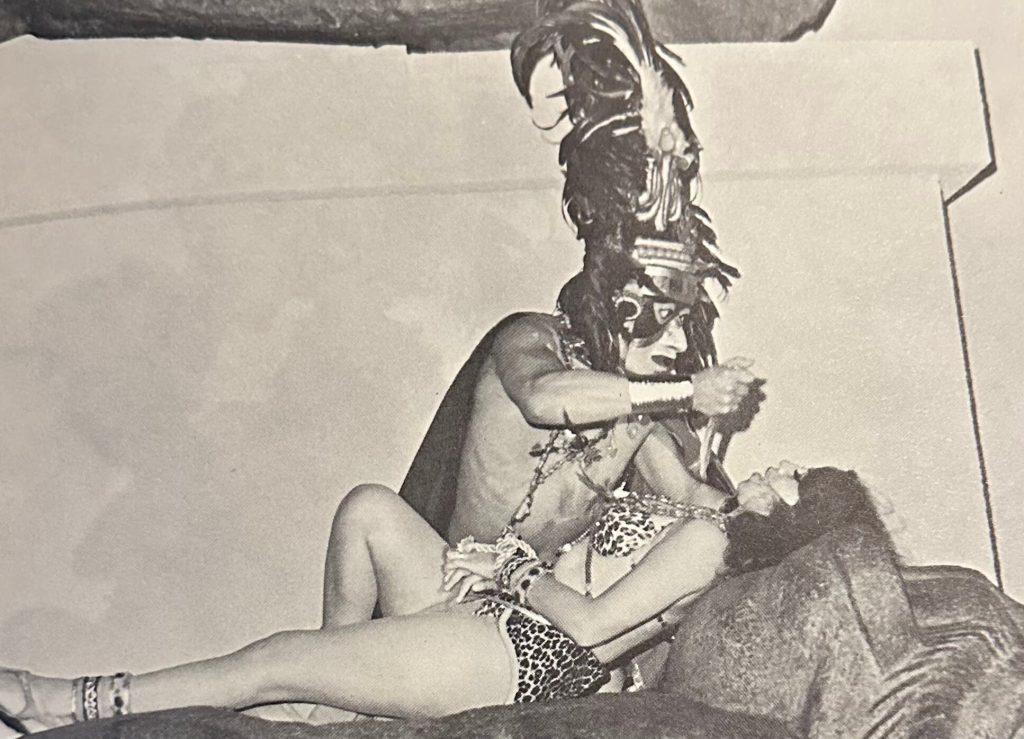
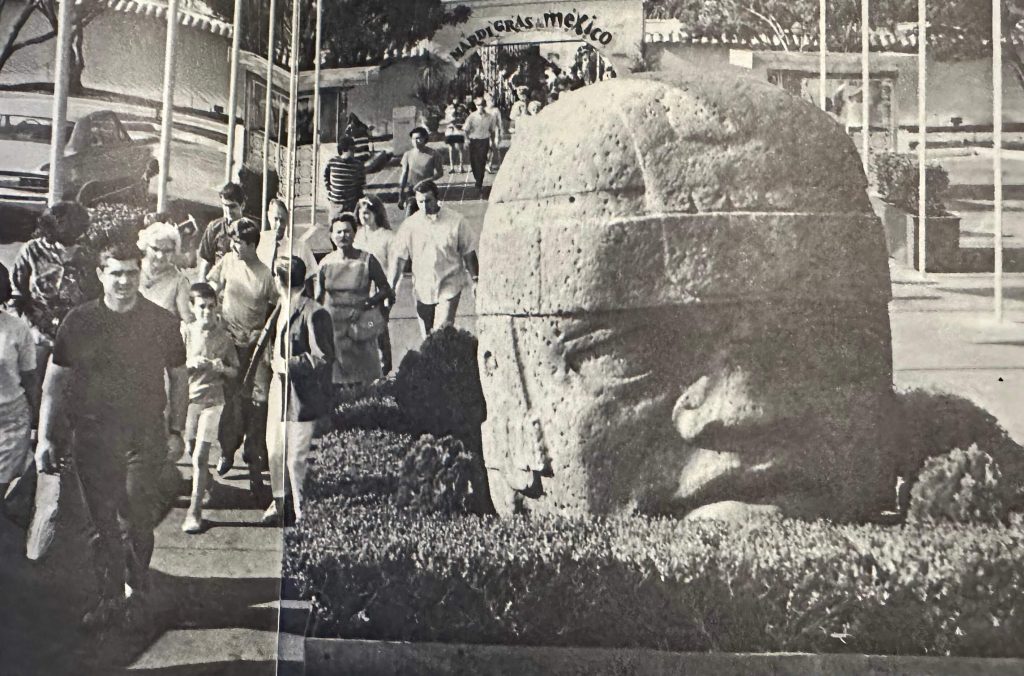
Jim walks through the history of Universal’s 1968 after-hours “Mardi Gras in Mexico” event – a bold experiment in entertainment that included Aztec princesses, tequila tastings, and aerial performers.
The event featured:
- A recreated Mexican village marketplace
- A sacrificial princess stage show
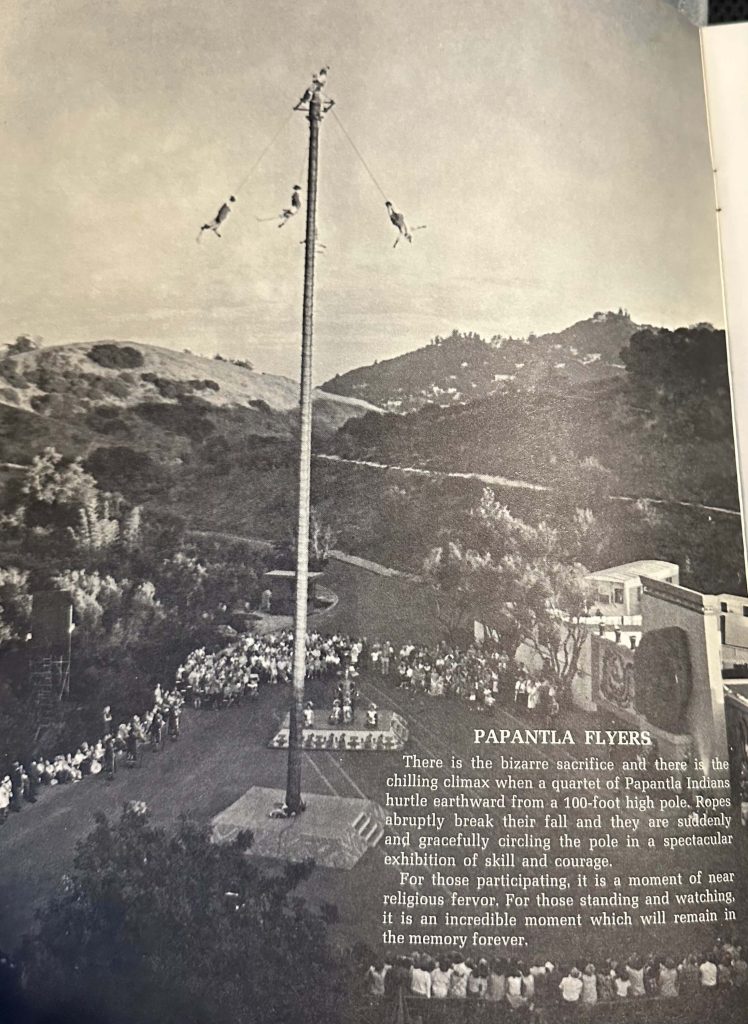
- The Papalanta Flyers – performers who dive from a 100-foot pole as a ritual
Jack Benny’s Vault and the Creature Photo-Op
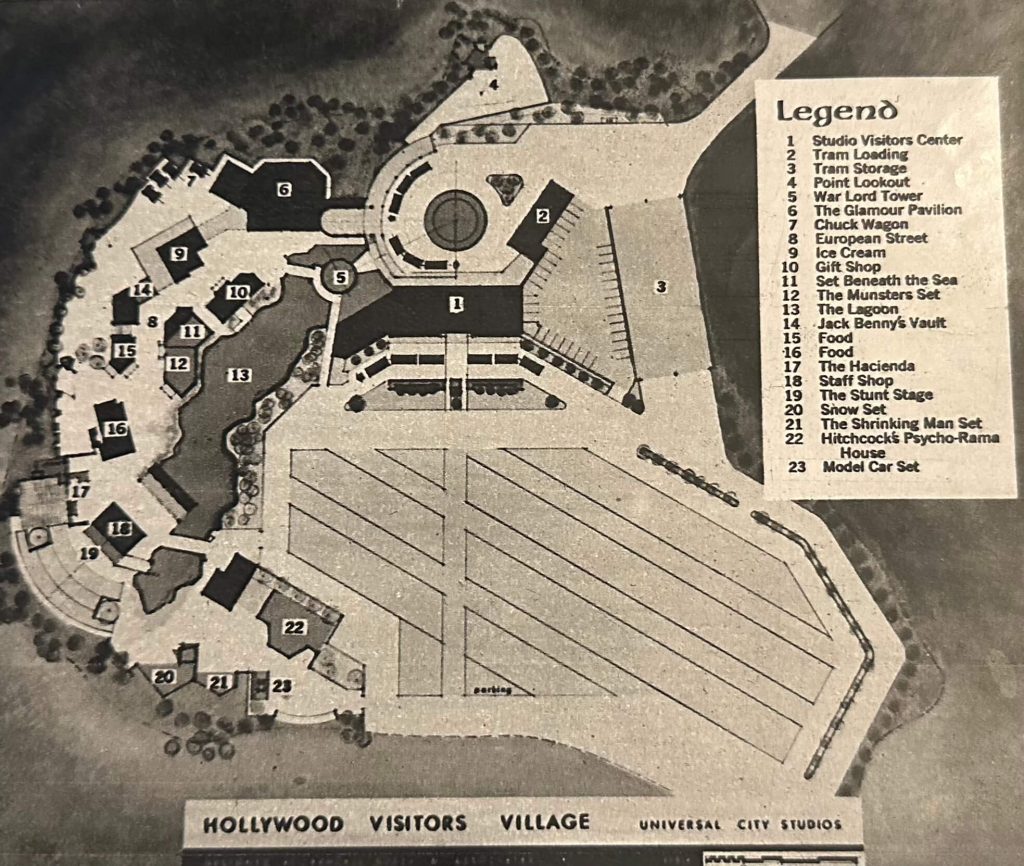
Universal originally planned a walkthrough attraction based on comedian Jack Benny’s vault, complete with gags from his TV show. When the vault concept was scrapped, they replaced it with a photo-op featuring the Creature from the Black Lagoon. The illusion used a curtained window and well-timed movement for a practical jump scare.
Jim Hill
• X: https://x.com/JimHillMedia
• Instagram: https://instagram.com/JimHillMedia
• Facebook: https://facebook.com/JimHillMediaNews
Eric Hersey
• X: https://x.com/EricHersey
• Instagram: https://instagram.com/EricHersey
• BlueSky: https://bsky.app/profile/erichersey.bsky.social
Listen to the Episode on Spotify
Sponsored by Be Our Guest Vacations
Planning your next adventure to Universal or Disney? Let the experts at Be Our Guest Vacations take care of all the details. As a Platinum Level earmarked travel agency, they offer top-tier concierge service at no additional cost to you.
Learn more or start planning at: beourguestvacations.com
Podcast
Walking Disney’s Hollywood Studios: Lost Attractions, Muppet Studios, and Imagineering’s Unbuilt Dreams
Join theme park insider Len Testa and veteran animation historian Jim Hill for an immersive walking tour through Disney’s Hollywood Studios. In this episode, the duo explores the fascinating architectural history of the park’s entrance, uncovers the high-stakes corporate deals made with MGM, and pulls back the curtain on legendary, never-built attractions—including the mythical Muppet Studios and a massive Monsters, Inc. roller coaster. Whether you are a lifelong Disney fan or an architecture enthusiast, this deep dive reveals the Hollywood that never was and always will be.
Walking Disney’s Hollywood Studios: Lost Attractions, Muppet Studios, and Imagineering’s Unbuilt Dreams Transcript
Len Testa: Hi, welcome to another episode of the unofficial guide to Walt Disney World Disney Dish podcast with Jim Hill. I’m Len Testa. We’re here today at the Disney Hollywood Studios, the one park that we’ve not yet covered. Jim, we have a lot of pressure here because, as you know, sequels are an embedded genre within the American experience and there have been some very good sequels. The Godfather 2, The Empire Strikes Back, Break Into Electric Boogaloo. There’s a lot to live up to. Do you feel any pressure here about getting started?
Jim Hill: Well, you took my electric boogaloo joke. Sorry, man. Pressure. What pressure? I’m fine. All right, we’re All right, so we’re starting today. We’re just at the entrance of Disney’s Hollywood Studios. We’ve just passed the entrance, actually, past the turnstiles, which are designed in a streamlined modern architecture. We’ve got the Oscar’s super service across from us. And we’re standing in front of Sid Kahuna’s One of a Kind, Antiques and Curious. Jim, what do you think of when you first get to the?
Len Testa: the studio’s entrance.
Jim Hill: The reason this park is the way it is, is because of Epcot. You have to understand that, you know, you’ve heard the joke, the acronym, that with Epcot is everybody comes out tired. That was a massive park and opens in 82. And they learned the hard way by creating this giant park with huge roadways and that sort of thing that people got overwhelmed. so when it came time to do…
Len Testa: you know at that was then known as disney and jam they bob weiss did a very clever thing they think you know just you knew from the complaints that they had to get if they had to address it make they literally hit the reset button and went back to disneyland and so what’s really intriguing about and jim is in fact that sadly the had a sort of disrupted this but
Len Testa: the cd literally bob got the length from the entrance of disneyland coming under the train station to the castle and that’s literally the distance from the gates here to the compete all its interest in stiles to the convention is the same distance as the exact same distance more of the point again or the the if you honestly if you take a look at it the scale of the buildings here along hollywood boulevard are disneyland it’s that intimate you know again the notion of let’s have an intimate experience in hollywood
Jim Hill: as opposed to a large grandiose experience. more to the point, that’s also why he picked the period that he did. This is all, all the architecture here is from 1920 to 1935. You know, and all one year, but again, what’s fascinating about it is.
Len Testa: Each of the individual buildings here, the Crossroads of the World icon building to Darkroom, these are all legitimate buildings in Los Angeles. You can go see some of them. That’s right. But that Bob himself stitched together to give this unified view. It’s incredible. But no, it’s a beautiful park, and particularly at night when the neon goes on. It’s very pretty at night. It’s actually a great park for architecture. Absolutely. Absolutely. And in fact, what’s kind of ironic about this whole thing is that as the guys were designing,
Jim Hill: Cars Land for California, they came out to study the neon here. Nice. but I know it’s a very charming park except for the screaming people. There’s always screaming people in a Disney park. So Jim, know a couple of things or a couple of design elements on every Disney entrance.
Len Testa: are the same. So you mentioned, I think when we go through the Magic Kingdom, they’ve got things like the camera shop on your right and we’ve got the darkroom here. What else is the same? What else is similar on the studio? Well, again, if you think about it, pretty much if we go around the corner here, the little coffee shop, that sort of thing. The notion is that people, as they’re entering the park on the right, are looking for things, whether it’s sunscreen or hats or I need my coffee and my donut. It’s right there.
Len Testa: Sadly though, the design of this park kind of falls apart once you get past its main street or its retail corridor. Why is that? Well, part of it is because, you know, for example, Sunset Boulevard was never built the way it was initially intended. That, you know, Tower of Terror was literally supposed to be one of five e-tickets that were going to be built over there. really fun. God, between Dick Tracy’s Crime Stoppers.
Jim Hill: know, Roger Rabbit’s Choontown Transit. was some amazing stuff that was gonna be built back there. Wow. Is it still on the drawing boards? mean, still stuff that they… Well, they’re probably not gonna go back to Dick Tracy, but… Well, the interesting thing about that one is that they actually built a full-size mock-up in the warehouse in Tahunka. And even when Dick Tracy was not doing the business that they’d hoped…
Len Testa: They were still trying to sell the Oriental Land Company on building it. And so a friend of mine who actually worked the mock-up said, the thing is the Oriental Land Company executives never travel alone, they always bring their wives. And so here are all these nice demure wives of giant corporate citizens of Japan.
Jim Hill: you know so they’ll go to the to the warehouse and they literally watch their husbands do the demo nearly drive around and and it literally there in these forty style
Len Testa: The
Len Testa: And it turns out the Japanese women were so much better and lethal and blowing. They were like, can we go again? It was like years of suppression and aggravation. The Japanese executive gave kind of a cursory, it’s like, okay, this is cool. The wives were blowing up the room left and right like, this is great, we gotta build it.
Jim Hill: Sadly no, did not go ahead with it. Let’s do this. Is there anything else on Hollywood Boulevard descent that we need to discuss? Otherwise we’re going to to the left. Well it’s worth noting, in fact, again you gotta remember this was the first park that was designed understanding that was going to have street-mosphere. for example… they specifically designed… really? Craig Mcdowell, Tony, in fact just up here I believe… we’re walking up towards the Keystone Clothiers.
Len Testa: water pipes in that the cast members could open and close. know, the Hollywood, you know, the Department of Public Works would have props to work with. that’s classic. You know, you know, example, the windows here. wait, we’re, we’re… made them practical so people could open the window and yell down and heckle at other people in the street. so at the, on the vintage shops in the, What’s that, what’s that store right there? the, the hat store. There’s a, the windows actually open?
Jim Hill: yeah, you know and I guess the other thing that frankly got lost here was that if you were here during the the first six opening months of the place You know, for example the five and dime literally had five and dime merchandise I mean you could go in and get you know plastic bracelets and I mean you walked in and it was the 1940s It was amazing. That’s fantastic
Len Testa: But, you know, again, the design continued right up to their castle, the Hollywood, you know, the Chinese theater. In fact, the only thing that Disney did differently, they literally, they got them to unearth the actual blueprints for the Chinese theater. I mean, it’s, you know, the exterior detail is dead on.
Len Testa: Right up until the actual roof, which they extended slightly because again, this is supposed to be the Hollywood that never was. So just to give it that little bit more of a fantasy edge, a little more of a fun edge. That’s right. The roof is sort of in the real Grumman state of the roof is sort of shrunk a little bit. It’s not quite to the scale of the rest of the building. This is the stuff I like this. So we’re standing outside right now. actually on at Sunset Plaza and Echo Park Drive. It’s the back of the Clothier shop and it’s still really well themed. It’s sort of an Egyptian.
Jim Hill: sort of theme in the back, right? Or a Chinese theme in the back. And it’s an ATM machine, but it’s surrounded by these giant dragon mouths, almost like lions guarding the gate of an estate. And that’s the thing that’s ornamenting the ATM machine, which I really love. mean, that kind of detail is lacking in a lot of other parks. Here, it’s wonderful. Absolutely, absolutely. But again, you know, the…
Len Testa: But these parks reflect the times that they were built. you have to remember that when this park was built, know, we’re talking, know, Disney turns the key on it basically in 85. And there was considerable pressure to get this built because, know, Universal. That’s exactly. And Eisner was privy to what Universal’s plans were. knew when it was going to open and we had to have this open ahead of that, you know, to claim the higher ground. And but the problem was that, again, this is 1985 Disney.
Jim Hill: that they haven’t really had a hit film since Herbie the Love Bug in 69, which is why they had to go out and literally cut the deal with MGM, to get their film library, to get people and characters to drop into these parks. How hard of a deal did MGM drive knowing that with Disney? Well, that’s an interesting part of the story, because it honestly wasn’t a very good deal at all, that for $100,000 a year,
Len Testa: starting and then it would creep up incrementally over 20-year period till, you know, final one licensing fee of a million dollars per year. Disney got the MGM name, they got, you know, Leo the Lion.
Len Testa: and they got access to basically their entire film library. $100,000 for the first year? When Kirk Corian found out he was furious, Kirk Kirk Corian, the head of MGM, and he actually spent the better part of five years in court trying to get the name away from Disney, because of course… After they signed the contract? Sellers regret? You Because again, you have to understand that this wasn’t just going to be a single part. There was a Disney, MGM, Japan in the works. There was a Disney, MGM,
Jim Hill: In it’s part of the opening special for Euro Disneyland. They devoted five minutes to get the studio part. Well, they had to do that contractually for Paris, right? Yeah. But anyway, so they were really struggling to find things to fill this park with. So the nice thing is that MGM is filled, excuse me, that Imagineery is filled with all these film buffs. So for example, we’re standing across from Min and Bill’s here, Wallace Berry. That’s right. There’s a lot of great…
Len Testa: affection for film history here. Again, the front part of the park holds together. It’s again, we begin to wonder out things get a little weird. That’s right. So we’re over in Echo Lake right now. Jim mentioned Min and Bill’s. we’re we’re we’ve got our backs to the Hollywood and Vine restaurant. And notice that the there’s office rents signs that say no actors. That’s great. And then in front of us is Echo Lake. Looks like they’re doing a little bit of construction or they’ve they’ve drained Echo Lake.
Len Testa: Oh, mean, it’s Winsor & McKay. mean, literally, first cartoon stuff.
Jim Hill: Clicking on buttons.
Len Testa: But speaking of cartoon searches, over here, know, 1928 building here, just behind that, we have the Eddie Valien’s offices. In fact, that was honestly when this park opened in May of 19, May 1st, 1989, that was the biggest film Disney had done up until that point. So Roger was everywhere in this park. You know, I mean, they literally painted his little pink feet, well, giant pink feet on the pavement to lead you around the place. Oh, that’s great.
Jim Hill: In fact, the finale of the backstage tram tour was as you came through New York Street, you actually passed the Acme warehouse and here was the dip machine out on the street spraying you. If there are any tunes on board, they’re in trouble. Oh, that’s great. All right, so anything about the Tune-In Lounge or 50’s Primetime Cafe? Well, now this is a big favorite restaurant. fact,
Len Testa: This was sort of the starting point of a new form of Disney dining. Really? Well, think about it, prime time. mean, you’re eating in these highly themed nooks and here’s mom feeding you comfort food. And not only that, mom gives you attitude. mean, this is kind of on the parallel track of, you know, this came into the world about the same time the Adventurers Club did. right. You know, the notion of let’s do Disney show but in a different way. And, no, there’s a reason.
Jim Hill: that this has stayed as popular as it has. People just walk out of here and evangelize for the dining experience. She made me stand in the corner because I didn’t eat my vegetables. It was cool. It was cool, exactly. Oh, funny. It’s not a bad restaurant. The bar was actually pretty good, too. Have ever had the peanut butter and jelly milkshake? Not with my cholesterol. No. It’s actually pretty good. We’re walking up towards the Indiana Jones Epic Stunt Spectacular. Now, here’s something interesting,
Len Testa: So we’re walking up towards it. On the left hand side we’ve got the Indiana Jones Adventure Outpost, which is the store where they sell all the stuff. But if you go back a ways back here, they’ve actually got props. Have you seen these? Oh yeah. They’ve got props for the Indiana Jones show. They’ve got tanks and cars and stuff. But nobody ever goes back here. Is it a standing room only area? Is this where the queue is supposed to go when Indiana Jones becomes popular again?
Jim Hill: You know every 20 years, you know, if you actually look in the ground here You can see the recessed points where yes that the you know, the the poles are supposed to go in and direct people back Yes on the ground that folks know these little circles these little brass circles where the the velvet rope as it were would that would go but in the very back here back behind the Man the sound stage. We’ve got we’ve got army cars. We’ve got the national lifestyles tank
Len Testa: We’ve got like a camp and stuff, all the stuff that very few people ever see. Yeah, I mean this is prop work that actually they pulled from Last Crusade. And in fact, that was what was kind of interesting. I have to remember that when this first opened, Last Crusade hadn’t been released yet.
Jim Hill: and 89 right and so what ended up happening was they are remember very simply being here for uh… the the opening press event and they’ll only showed the sort of the the the giant you know fight on the wing part of it uh… because again this was still in technical worse with that it stayed in technical reversal to well into the middle of the first summer of operation here because they were just weren’t but you know it’s part of the press conference you know people ask well all right
Len Testa: So this references the first film and a little bit of the second film. Will we see, you know, pieces of threefold internet? It’s like, well, we hope so, you know. I guess we should be happy. They didn’t continue that. We’re now watching the Crystal Skull Show. The interesting thing is you mentioned the Prop Shroom 3 and you notice on the left hand side of the tank, the art, our right hand side.
Len Testa: There’s the gun turret that exploded when Indy the rocket. That’s it exactly. And the only reason I that was because Last Crusade was on TBS last week. I happened to see it. Other than that, I know nothing about the movie. We named the dog Indiana. Is there any plans to refurbish Indiana Jones? boy. You would think that because it’s a stage show and they’ve got such elaborate props that refurbishing the show is like a multi-year project.
Jim Hill: And Disney doesn’t do multi-year projects like that well. That’s one of those things where the budget has to be done in a year. Look, I’ll tell you from having been down here in 95, 96, in fact I was here for an after hours event.
Len Testa: It was, it’s the Minnie’s Moonlight Madness. It’s, it’s, you ever heard about this? It’s a cast member event held after I was in the park where you’re bungied to three or four of your friends and, you know, racing through the park, answering trivia questions, that sort of thing. my then wife, Michelle Smith, and I had done it the year previous with, literally, my daughter Alice, it was only like three or four months old at that point, and she was in a Snuggie.
Jim Hill: Tied to your chest. Tied to my chest. That’s great. And they didn’t have an issue. So we went the next year to do it. We literally brought Allison a stroller. And nobody caught us till we were literally in the backstage area where suddenly this is rather a Fisher’s manager. It’s like, you’re going to have to take your child out of here. And it’s like, you know, this is a contest for adults. And it’s like, but she was here last year. It’s like, well, that may be the case. But it’s like, car is miles away. I have a giant Emil Younga stroller. The guy says, all right, tell you what.
Len Testa: know, one of you, one of your two parents are gonna have to stay out. So, and watch your child. But I can take you to a conference room backstage where you can sit and watch television, and it’s like, you know, and it’s like, okay. And we’re grumbling the whole way, and they take us deep into the administration building to, open up a conference room, and literally, the walls are covered with all of the concept art for Fantastic Cover. And you’re like, I’ll stay. I’m good, I’m good here. I’ll stay with the baby, I’ll stay with the baby, I’ll stay with the baby, I’ll stay with the baby. She loves me more!
Len Testa: Literally, you know, it’s like I’ve been there for hours sucking the art off the wall. I mean this is version of Fantastic for example that instead of the Pocahontas canoes had the Nautilus and the idea was that Nautilus came out from stage left the squid came from stage right and Mickey’s on stage and again I honestly wish they’d done this because it’s Mickey on stage playing this giant organ that’s belching steam and there was there were two versions of the art one was just Mickey, know hitting the organ and the other one was Mickey literally with the half mask for Phantom
Jim Hill: Look away So but among that to bring this full circle But among the pieces of art that’s always on the wall were all of the expansion pads for this part And one of the things they designated was right behind this area here You know, they’ve literally the overlay and on it said Indiana Jones adventure as in they were seriously considering in the 95 96 timeframe Pulling this down and dropping the Indiana Jones adventure, right?
Len Testa: from Disneyland in the park. Really? Yeah. That would have been interesting. It’s one of the few rides where I would say cloning it is probably an okay thing. It’s a good ride. Oh, I agree. And if you had to get rid of this for that, think everyone would say, most people would say that’s a fair trade. Anyway, long story of the story is I wish they had invented the digital camera 10 years I was gonna say, yeah. Kill me, kill me. Jim and I are right at the Indiana Jones prop that says warning, do not pull rope. So we’re gonna pull the rope and see what happens. Here you go.
Jim Hill: come on! Fuck, man!
Len Testa: Alright, that’s a little treat for you guys. Alright Jim, let’s keep going through Echo Lake. So we’ve got, we’re passing Indiana Jones on our left. It’s shuttered right now because the first show it’s not till I think 10.30 or so, 11.30 so we got a lot of time there. They’re doing a one, two, three, four, five shows today. That’s actually not bad for a late February show. We’ve got, we’ve got coming up straight ahead what’s left of Sounds Dangerous Jim.
Jim Hill: Sounds dangerous. Well, you know, now it sounds seasonal, you know, and more to the point if what they’re saying is true, we’re going to see that, what is it? comedy warehouse show come back. Did you see that during the holidays? No, I did not. heard great things about it though. Though I also heard that frankly that, you know, when the fire marshal came through and saw the amount of equipment, you know, again, you need a lot of equipment in the theater to actually do this.
Len Testa: It was one of things where it’s like, you can’t actually put that stuff against the door! So I saw it actually over Christmas, between Christmas and New Year. yeah, it’s a relatively small stage. They had drawn a curtain behind sort of half the stage. on it was every imaginable prop that they would have needed. So they had the piano, they had boxes full of…
Jim Hill: large, goofy hats and costumes. And then they had a blinking Christmas tree, which was, you because it was seasonal and stuff. that was good. It actually wasn’t a bad show. You could tell, though, that the improv guys hadn’t done improv like that in a long time. I think we caught one of the first shows that they had done. you could tell everyone was a little rusty. Parts of it were very funny. Parts of it were, you know, I just need to get through the next 30 seconds of this skit type thing.
Len Testa: And that was interesting. I’d love to see them bring it back there because it adds a little bit of, you know, the old days, you actually had more live performances here. no, no, absolutely. I mean, that was the whole point of this park. It was designed with street-mosphere. You would literally bump into the citizens of Hollywood. And, you know, now, you know, it’s just that, again, it’s the classic battle between budget and ops.
Len Testa: So that’s not an expensive thing to do though, Or is it the performances, the performers themselves that… Well, it’s not just that. mean, think about it. You need six equity performers on stage. You also need a sound guy. You need a light guy. You need a person standing backstage.
Jim Hill: you know, house manager. It just suddenly becomes really, really, really expensive. that’s true. we’re over… by the way, is there any reason why they couldn’t bring back the Monster Soundstage? Does anyone know who Chevy Chase is? They could do it. He needs one more vacation film. They could do it. I think it was more the case of not so much…
Len Testa: Again, not 1899 anymore. 1989 anymore. Just the post-show stuff of maintaining those props, let alone the 3D sound show, which again was supposed to be the savior of the park. That’s interesting. So we’re over in front of Star Tours right now. Have you been on the Star Tours too? absolutely. Yes, yes. think? It’s a wonderful update
Jim Hill: of the pre-existing attraction. Though the thing I personally like about it is that, for example, the pre-show is now four times as long. mean, just literally, you could stand there, they figured there were gonna be more people because of the multiple rides going through multiple times. So they literally created four times as much material in the pre-show area. There’s more audio, there’s more in-jokes, there’s more, and it just goes deeper and deeper and deeper and deeper.
Len Testa: Um, you know, likewise, um, I mean, when you think about how much footage they put together for the, multiple versions, uh, you know, that, that, that a, it was talking with somebody who would literally take six hours to write every iteration of this thing. And there’s all sorts of in jokes and, know, they, the guys that look at someone nuts, they just literally, they, they, you can rewrite this thing for days and not see things or see things you’ve never seen before. That’s great. So.
Len Testa: Has the ride lived up to Disney’s expectations regarding number of visits and number of guests that have been on it? Actually, no. In fact, again, that’s kind of a sore point. They did not get the attendance bump, at least here at this park, that they were expecting. It’s vastly more popular in California. Absolutely. But again, you have a culture out there that goes once every six months. And so it’s exciting for them to, let’s go on Star Wars and see if we can get a different version. We’re here, I mean, again.
Jim Hill: you you’ve all people know how often people come back here it’s what three point seven years is that that’s that’s that’s that’s that’s few years between between visits you know i just eat it it didn’t hit the way they expected expected they’re genuinely intrigued to what’s gonna happen when they open in japan though
Len Testa: Oh yeah, that will be interesting. Because Japan is a much more local thing too, so that might work out well there. I wonder if they take that into account when they design rides, like how much of this was going to be local population? Or is that something where they’ve only done it a little bit, they probably don’t have enough data to know really whether something’s going to be a hit with locals or not?
Jim Hill: Well, it’s finessing that. A mindset that they’re just coming to for Disneyland though it’s kind of ironic because of course they’re finishing this billion dollar makeover of DCA which they’re hoping will finally turn Disneyland from, and I mean this in the kindest possible way, the world’s most famous regional park to an actual resort, a multi-day destination resort. you know, mean yes, they fill those hotels but not nearly as much as they’d like. That’s true. We’re over in the Muppet Plaza right now, right in front of
Len Testa: Muppet Vision 3D. Are there any plans to redo any part of this attraction or the area based on the Muppet film? You the Muppet film, right? Yeah, yeah, yeah. And again, just a nice updating. To be honest, right now we are literally in the crucial moment with the Muppets. The movie, this… It did $88 million, right? Stateside, which is literally two-thirds of what Disney expected. in fact, well, they took…
Len Testa: It’s interesting. They took the numbers that Enchanted did, they took the numbers that Tangle did. The last four holiday films that Disney had open in the Thanksgiving period and averaged them and that was a hundred and thirty-five million dollars domestic. And so it’s like, okay, that’s what we should earn off of this thing. And it literally came in at two-thirds of that and…
Jim Hill: It’s an interesting situation because within Disney, it’s like, look, the franchise was dead. You know, I mean, we brought it back from the dead and this is going to pay us dividend dividends. But, you know, we have to put the time here. We have to put the energy in. And, you know, so you’ve got to be patient with this. You can’t expect this to just catch fire overnight. It had been neglected for a long time. But again, this is Disney, you know, owner of Marvel and all of its own characters. And it’s like in order to devote more time to bringing back the
Len Testa: Muppets that means money and time and energy has to come away from somebody else. So right now literally there are accounts at Disney just you know the blu-rays and the DVDs of Muppets are in the boxes shipping to stores and it’s like okay let’s see what those numbers look like. Now to be fair here I was just talking with the Muppet folks and they say they are busier than ever.
Jim Hill: Did you ever think you would you would under the line? I was just talking with the Muppet folks Go ahead. Well, they take in there are people who put their hands up these creatures Okay, you know and get a little handcrafted poor Dave Gold’s the guy who’s been doing gonzo for 30 plus years at this point literally had shoulder surgery because after all these years of standing and holding things up and he He’d blown out his arm. know, I mean again, there’s there’s whole aspects of this that people don’t know about but yeah, if
Len Testa: If the DVDs sell well, there’s a couple of things they’re considering. One is a holiday edition of the 3D movie, but would literally repurpose footage from the Michael Caine Christmas Carol.
Len Testa: and put there were so many things they left on the table that would been here with the old pizza planet was that you know this was in the initial plan this was going to be the the swedish chefs cooking school television and you know get a quick search interest from but you walk through under all these screens of the swedish chef cooking things and then mama melrose was literally going to be you know the great gonz’s pandemonium pizza parlor where dinner
Jim Hill: It was going to be amazing. mean, like when you look at all the woodwork and beams overhead. At Mama Melrose’s or? How thick there. There was a reason they were going to do practical, you know, little rat hand carts that were rolling around the restaurant with Parmesan cheese and boxes of pasta that was supposedly going in and out of the restaurant. the great thing is that, again, supposedly there was going be a common kitchen here.
Len Testa: Again, there’s so many great gags that got left on the table here like Who is this again? The guy who does the boomerang fish? All right But he was literally going to have a store here and you’d look in the window and there were gonna be little rubber fish flapping in the window and spinning I mean this was gonna be muppets floor to ceiling. So we’re back now behind We just passed pizza planet on our right. We’re back in front of The engine company number one the Parkside antiques you guys know where the snowman is
Jim Hill: on the the on the ground there’s there’s a Christmas store and then we’re directly facing mama Melrose is in the front so the so that was going to be Gonzo’s pizza parlor yeah and just and the great thing is you’d be eating in there and you’d be watching an overhead monitor and Gonzo would backstage in the kitchen standing in front of like the vent you know and if this we’re having trouble with the vent and Gonzo would get on the stove and sort of reach into it and you’d suddenly see him sucked up into the vent work and now in the restaurant you’d actually hear him
Len Testa: moving through the vents overhead and know, 3D audio sounds of him and Camilla clucking, you know, just like, wait, I think I can find our way out. know, it’s just so much wonderful stuff. But the killer, the absolute killer thing they were gonna do was just past here. In fact, we’re coming up on the backside of Muppets past on the Melrose’s. Now there’s a, so this is the exit to Muppets and where they do the Phineas and Ferb meet and greet now.
Len Testa: And literally, some of you may remember this, if you went on the tram tour in, I want to say, 90 or thereabouts, you would have passed a fence, construction fence here, where Sweetums was looming over it. you know, and sitting on the fence next to him was Robin. And this was where they were going to build Muppet Studios. And this was going to be the home of the great Muppet movie ride. And had the meanest, funniest jokes in the business.
Jim Hill: Literally, the idea was it was a riff on the great movie ride. And you’re going to be riding in little individual Pargos, sort of the golf cart things. actually, it starts off just like the great movie ride. You’re going to see that you enter this room that’s big screen clips of famous movies, only it’s Muppet versions. And so, for example, you’re seeing the scene from Dr. Zhivago where it’s the…
Len Testa: It’s Piggy and Kermit in a sleigh where snow is blowing in their faces. And Gonzo, who’s the director and the host of this attraction, on an armature and says, do you ever wonder how the movies are made? Well, follow me. You literally duck under the screen where you’ve been watching Kermit and Piggy in the snow in the sleigh. Now what you see are Kermit and Piggy inside of the world’s largest snow globe that’s being held by four puppet monsters that are shaking it. They’re little prouder than you are.
Len Testa: It just went on and on like that. I mean, they had so many wonderful gags. They did, for example, a monster movie. Only it’s Dr. Bunsen Honeydew as Dr. Frankenstein and it’s a 12-foot-tall beaker.
Jim Hill: They did this great riff on Disney animated films. They literally took you into Peter Pan theater the bedroom of Wendy Michael and John right only it’s it’s Kermit as Peter. It’s what he’s already got the green. Yeah, I it. It’s scooter as John and I’m blanking who Michael is but of course Tinkerbell is picky
Len Testa: Alright, and the thing is that she’s hanging off of this ridiculously strong rope and she’s swinging that out of control going through all of these back but you go behind the scenes and this again like 12 puppet monsters holding this rope straight in. This was all, mean Henson himself was so excited about making this attraction because he was, for his way of thinking…
Jim Hill: The Muppets were always, always, always, you know, meant to be audioanimatronic figures. Really? Because what do think about how limited they are? That, you know, if there wasn’t a person on planet who understood more, you know, the limitations of puppeteering. Right, yeah, that’s true. And, you know, that’s all audio animatronics is. And so it’s like he could not wait to make this a direction. And then, of course, you know, he dies of bacterial pneumonia.
Len Testa: The Henson family and the Disney family have been horrible falling out. Yeah, 20 years. Yeah, gone. That’s a shame. We passed an area where we’re doing Phineas and Ferb meet and greets and they’re actually out right now as well as, looks like some cars meet and greets. Are there any plans to do anything at all with Phineas and Ferb? God. Phineas coming this summer only gets huger. There’s the teal takeover.
Jim Hill: there’s a special Phineas and Ferb series of episodes coming this season where Perry the Platypus disappears and literally seriously and for and that it becomes where has Perry gone for an entire summer people are looking for Perry and then you know then he’s magically revealed and saved.
Len Testa: But, well, I blew that story. Now I don’t need to watch it. you go. But now that’s it. You know, if anything, they’re getting bigger and bigger. In fact, there is.
Jim Hill: I’m kind of not happy about this change, but there’s some serious conversations about taking Kim Possible. I heard this. Because again, the interesting thing is that Kim is still considered quite viable by the company. In fact, what’s kind of interesting is this summer in June in Long Beach, for the first time ever, they’re having a Kim Possible convention. It’s literally called a Kimvention.
Len Testa: You know, there’s a number of people at Disney who really believe that, look, we have this amazing franchise, we should be paying attention to it, but the problem is that Mark McCorkle and Bob Scully, the guys who created it, actually left Disney and are now working for DreamWorks Television Animation. They’re the ones who doing the Penguins of Madagascar show.
Jim Hill: It’s a similar humor. I you know that I really like a Kim Possible Jimmy just the names alone But the the interactions that Kim has with her parents absolutely are hysterical absolutely It was really well written. No. It’s a great show and and it’s it’s a franchise that I think the company should definitely do something with
Len Testa: Is that the reason why they stopped doing Kim Possible because the two lead guys left? And the saddest part of it is that they were going to do a Kim Possible live-action film. And in fact, they wrote a script that the studio absolutely loved. In fact, they loved it so much they turned to Bob and Mark and said…
Jim Hill: We’ve got this other script. He such a nice job with this. Could you punch up this other thing for us? Do you remember the film Sky High? Yeah, yeah, yeah. Yeah, superheroes, kids, yeah. Flying bus promo. And it literally, it’s like, you talking with Bob and Mark later, it’s like, we screwed ourselves out of a job. We did such a nice job of punching up the Sky High script. went, you know, we can always go back and do the Kim Possible thing, but we were working on Sky High for a while now. You did a nice job. We’re going to go with this, but we’re going to circle back in your thing. And they never did. Ah. That’s shame. Yeah, because it’s a franchise. They’ve done well with it.
Len Testa: And it’s… you never get that resolution of it like it just ended. No, that’s it exactly. To talk about Bob and Mark, they actually ended the show twice. They had literally, they wrapped up the third season, were sending her off to college, and then suddenly they came back, could we have like 13 more episodes? was like, Another end!
Len Testa: The Phineas and Ferb feature length film is coming. yeah, this is not a drill. It will be out mid July next summer. Really? Yep. Wow. So mid July 2013. Fantastic. So, but again, I don’t know how much juice you can actually get out of a platypus, but they’re going to do everything they can. Yeah. It’s good series. By the way, if you guys can hear us here in the background, we’ve got some traffic and that’s because we’re on the streets of America walking down
Jim Hill: past the Chinese restaurant, past used guys, we made a left and now we’re heading towards the Lights, Motor, Action, Extreme stunt show. wanna say something? Well, you you have to understand, again, when this park opened, Disney really struggled to find things to put into this park.
Len Testa: One of the things they cut a short-term licensing deal for the character Jim Carrey’s character ace Ventura detective Literally they had a stunt show out here on that corner where you know Ace was trying to save the albino bed Which was this obvious piece of rubber dangling off of the side of a building But you know they hired a Jim Carrey look-alike sound-alike it was
Jim Hill: the most god-awful thing but again they were trying they were making a legitimate effort but again this is part of the problem with new york street
Len Testa: This was never ever designed to be a guest, know, area that the guests were supposed to be able to walk through. This was always supposed to be viewed from the tram. In fact, coming up here, I remember going through this on the tram. This is right here, the Acme warehouse. This is as you headed back into get a tram offload. This is where the Acme warehouse was and where the the dip mobile would manage you. Let me just.
Len Testa: but they use the space over here after they decided to close it off of the board to do it so you know they were uh… what is it the goosebumps show was done here the teenage beat the turtles were here uh… you know the uh… i’m blanking the japanese fighting kids uh…
Jim Hill: body more from power rangers you blink on the mighty morphin power rangers time i can’t i’m sorry i have a daughter okay general just impossible remember so that’s the this area actually is pretty pretty good for the the osborne family spectacle absolutely absolutely so if there’s one redeeming thing that for three months out of the year
Len Testa: talked about that that that’s what you have to ultimately do with a Disney theme park is sometimes you will literally hold areas in reserve for that three months out of the year that you need them and the rest of the year is just like well what is here it’s like well it’s an interesting place you know if they put like tables you know and on the in the alleys and stuff you could actually have a nice little picnic area if they ever do something similar here
Jim Hill: like they did at the Animal Kingdom with the picnic in the park, you can throw some tables back there and people would like that. Today it’s not particularly sunny, but you so you could maybe put a little, some canvas.
Len Testa: over the tops it wouldn’t be bad at all. funny you mention this because one of things that this area is constantly used for is corporate events. mean they’ll set up the rounds here, they’ll give you food, whether it’s presenting a concert or that sort of thing. That’s nice. Alright we’re back behind Backlot Express.
Len Testa: I don’t know, this is always the interesting part of the park for me because again, this is, you gotta remember that this was how, when this park first opened, this area was never really meant to be open to the public. fact, on Mickey Avenue we’re looking Is this the back lot? Yeah, well, motor of the this was back of the house. mean, this walkway that Mickey Avenue, you know, Toy Story Mania and all that is located on, never intended for guest driving, never. Alright, you know, the original version of the tram tour, you it was a two-
Jim Hill: hour long experience. You got on the trams up toward where the animation building is. You then came backstage, they dumped you out here where you had an opportunity to eat, had the opportunity to go to the Acme gag factory with lots of interactive stuff. But then you begin your walking tour. You did? right, it a two-part tour. Yeah, and there wasn’t a mother on the planet who came in here with a stroller that was told you have to leave your stroller outside here by the tram tour. It’s like,
Len Testa: Let me explain this to you. This is a child. All right, it wears a diaper. All right, I have one diaper with me. All right, this is not gonna end well. This four-hour tour of yours is not going to go up. And you know, that was it exactly. That they had basically riots, you know, among parents and it’s like, okay, fine. This is officially open to the public now.
Jim Hill: But you know, I remember, you know here on opening day because they were again, they just opened they They really struggled to make this place look big and exciting and one of the things they did literally where we’re standing here right now Yeah, we’re by the way, we’re right in front of the bacala tour behind the the Muppets show building If you guys are familiar with the park, know that giant coca-cola stand is right in front of the the bacala tour entrance That’s where we are. So to make this seem more exciting than it actually was
Len Testa: for the 1985 version redo of Fantasyland at Disneyland. They actually built a giant inflatable, maleficent as a dragon balloon that they draped over, it literally loomed up out of, was taller than Sleeping Beauty Castle. so, you know, and it put its arms out, you know, on top of the castle and it was this killer shot, you know, they, they…
Len Testa: But again, they used it for a couple of weeks that they opened, you know, that park and then it went back into warehouse and somebody remembered. And so for the opening day, it’s like they inflated and put it here. so. And between the bathrooms, you know, but it’s like, wow, that’s amazing. That’s a killer prop. And disappeared overnight, never to be seen again. That’s it. Yeah. So back somewhere in the back lot in the in closet, a very big closet somewhere. Keep your eye on eBay,
Jim Hill: So, So, well, what are they, this is the hot set. They used to do a, we’re walking towards Pixar Place and we’ve got on the left what used to be the old Mickey meet and greet. What are they doing with this space? think it’s fairly large space. they ever actually get off to pot, is the Monster’s Inc. coaster. In fact, this is where it’s gonna go. Yeah, you know, and again, I know there’s a lot of people.
Len Testa: over the story and get a double of this thing is coming but uh… it’s kind of the fascinating story of the wall does the company how it operates at the cast members usually they had to know cast member newsletters the the eyes and ears the distant line couple years ago they started using what they call the cast member portaling literally you go back to a sit down at a video screen you can access your health files you could but among the things they did to get people to actually use this thing is the included
Jim Hill: little films that Imagineering had done, know, about upcoming projects and you could see behind the scenes stuff. And so what ends up happening is one night at midnight. One night at midnight. All right, you know, people who work on Third Shift, I wake up in the morning and I have literally eight emails from people. It’s like, my God, the cast portal has all this amazing artwork and, you know, a film up about the Monsters Inc. coaster. Have you heard anything about this? And it’s like, I’ve heard that they’re considering doing it.
Len Testa: But what they ended up doing was that by the time they woke up, you know, literally, nine o’clock in the morning, West Coast time, 12 noon, file got pulled down. Somebody by accident had put this thing up and it went live. And then, you know, but this was summer of 2008. And then we, of course, we had the banking crisis in the fall. And this thing literally moved, you know, not to the back burner, but way off the back burner. But if you can actually get into this building, they literally have spray painted on the floor.
Jim Hill: where the supports are supposed to go. mean, this is… You know, they were ready to roll with this thing. And in fact, that’s always been, for a number of you all I speak with an imaginary, it’s like, that’s the canary in the coal mine. If when they green light that again. And what’s interesting is if you know your Monsters Inc. you know, for example, the design look of the world of Monsters Inc. Take a look at this bridge.
Len Testa: It’s so though. It’s the bridge that identifies the beginning of a picks our place. It’s sort of a steampunk brass always in X’s Support beam thing, but that’s straight. You know they pulled that design on what straight out of Monsters Inc. So again
Jim Hill: this will eventually continue straight on into this building. That’s good point because on the other side it’s a brick. That’s exactly. Smart. More to the point, know, again, to give you some idea of the insane level of detail, the colored brick here that’s used here is actually, you know, the color brick that’s used for Pixar headquarters in Emeryville, California. mean, nice. You know, from where the old Demelty plant used to be. But anyway, mean, here again, this is is my problem.
Len Testa: Look at this street. Look at how crowded this street is now. Yeah, so we’re inside Pixar Place right now. We’re walking up on Toy Story Mini. It’s immediately to our left. We’ve got one of the green army men signing autographs. Actually, the line isn’t for a Monday in the end of February. The line isn’t terrible right now. It’s only 40 minutes. It’s like 10 o’clock in the morning. That’s actually not bad. It’s a pretty moderate day here at the studios. But yeah, you’re right, Jim.
Jim Hill: The Pixar place is not a wide street by any means. you come here in May, June, July where it’s holding the heat and you have record crowds and it’s it’s unpleasant to come down here. Yeah, mean it’s hard to… So two reasons. One, when people see the line for Toy Story Mania in the morning, everything just backs up. Number two, the way that they’ve got the FastPass machines oriented, the lines stretch back into the walkway which makes it even more difficult to get through this place because…
Len Testa: The line for Fast Passes in the morning for Toy Story Maynard could be 10-15 minutes. No, absolutely, absolutely. And again, but when you take into consideration that, again, space never meant for the public, and yet you look up and you see the glass bridges, the walkway that connected the sound stages, and again, that was another thing that bit them in the butt. They totally convinced themselves that if they built these enclosed walkways that people
Jim Hill: would have no problem. know, filmmakers said, no problem, people are looking at me while I work. I have no problem with this. And it’s like, exact opposite. They were, they spent more time hanging drapes for the few productions that actually came here than, you know, just never ever worked the way it was supposed to. This never became, you know, Hollywood East. I mean, we had a couple of relatively high profile things, mean, like the Tom Hanks mini series from the Earth to the Moon for HBO. that was here? Yep. I love that series.
Len Testa: You know, though actually a more telling film if you can, you know, if you can, if you can watch it, actually personally enjoy it. But if you watch Ernest Saves Christmas, it was the first feature film shot here and it’s actually shot as they’re constructing the sound stages. So there’s one point where Ernest has disguised himself as a snake handler. And if you can look over his shoulder, it’s literally, they’re filming on the construction site. There are sound stages being built behind it.
Jim Hill: What’s an artist film that budget was relatively low? that’s the other thing. It’s shot totally in Orlando. So they’re shooting action scenes out on World Drive and it amazing. So we’re in front of Walt Disney One Man’s dream right now. Any place to do anything with this attraction? I kind of like it the way it is. It’s got a ton of detail. Well, as long as D23 continues with the company, this will be safe. You know, that right now it has a sponsor.
Len Testa: And D23 is the sponsor? Oh, D23 welcomes you. Oh, that’s an addition. So as long as that stays alive and well, this will be here. But again, the irony is this exhibit was actually designed for the first iteration of that attraction, which was supposed to be inside the hat, which is supposed to be outside the entrance of this park.
Len Testa: Really? Yeah. They were gonna put all of Walt Disney One Man’s Dream inside the hat? It was supposed to be the entrance to the building, and then behind it was gonna sort of a standard warehouse type of building.
Len Testa: We’re walking through the the animation arch right now. We’ve got We’ve got Little Mermaid here on our left. We’ve got the magic of Disney animation in front of us You can hear in the background a float going past and on our right. We’ve got the Disney jr. Live on stage Jim is there anything going on with with Voyage of the Little Mermaid again? This is the the Energizer bunny of shows for Disney that every two years or so they talk about changing this one out putting something new in here, but Ariel remains
Jim Hill: such a driver of merchandise and such a popular character. It’s just sort of like, why spend the money to replace something that works? And so, there she’s still here. Yeah, there’s actually a line going back now for the show lining up. They don’t use FastPass for this anymore, but it still looks like, FastPass doesn’t work for shows in general. So that’s not an indication of the popularity of Boys of the Little Mermaid. It’s just, FastPass doesn’t work well for shows.
Len Testa: That’s interesting. they’ve got no plans to do anything with the show? Well, again, it’s why fix what ain’t broke. Mind you, got to remember that Mermaid replaced the show itself back in 8990, Here Comes the Muppet Show, which again had one of my favorite moments out of a Disney theme park show in that, you know, the entrance of the Electric Graham and Dr. Teeth where it’s just sort of like…
Jim Hill: you everyone’s late for the show but it’s okay that they’re taking the monorail over and Kermit’s like the monorail doesn’t come to Disney House, does now and it literally bursts through the wall and the characters spill out of the monorail and here’s you know here’s Animal reaching down off the edges of the edge menacing the first row and it’s a giant and it’s a it’s an animal walker on costume, it’s a rubberhead and you know from there it was just one of these things where it’s like it’s okay he’s eating today don’t worry about it
Len Testa: which brings to mind that the time that you know then first lady barbara bush broader grandchildren here along with the secret services christie wants to give her a good show so they put her in the front row with the so here comes animal reaching off the stage in the secret service stands up and it the story doesn’t end well but that’s it with with three secrets of the sky’s attacking animal
Len Testa: And again, it’s pre-recorded, so the audio is still going on while get a… audio, poor animals being wrestled to the ground. It’s hysterical. I would love to have seen that. What’s going on with the Magic of Disney animation? This is like one of those shows that could use a little TLC, I think. It’s just so sad because we are in, obviously, a transmission point. mean, remember, when this was initially built…
Jim Hill: you actually had the working Florida animation studio back. That’s right, they did like Brother Bear and they did a couple of other things, right? They did wonderful stuff here. did, you know, fact they, know, Mulan, Lilo and Stitch, you know, along with some killer shorts. and I still to this day insist that they should have left feature animation or hand-run animation up and running here and just made the change out in California. But when they made the decision in 2003 to literally consolidate the units, they shut down Paris, they shut down this studio.
Len Testa: They moved everybody to California. you know, don’t get me wrong, Disney is rebuilding. Obviously, Rapunzel, you know, was a hit and hearing some amazing things about Wreck-It Ralph. and it’s official. We do have another princess or excuse me, a queen movie in the works now. thank God, because I was worried that there weren’t enough princesses going on. But they’re doing the Snow Queen. It’s actually. really? Yep. And the title has gone from frozen to frosted. So, you know. Frosted like.
Jim Hill: Like this thing. Well there you go. Tangled, frosted. Yeah, so. Get your adjectives here. Lolly, lolly, lolly. No, no, it’s Adbirds. Sorry. Yeah, sorry, wrong thing, but still same idea. What about Disney Junior Live on Stage? This is new. They actually do keep this up.
Len Testa: every four five years or so they’re doing a new stage here. think because it’s relatively straightforward to do that. And more to the point, we are literally weeks out from the launch of Disney Junior. This is what replaces Soapnet. This is the standalone Disney Junior channel. Honestly, at Toy Fair just ten days ago, Disney revealed they have 130 different Disney Junior products in the works and that’s just wave one.
Len Testa: Wow. know, mean, no, this will just trust me. This will just get bigger. And if you think you’re paying attention to it now, just wait. The amazing thing is that there’s I don’t see a gift shop over there. Give them time. Yes. Yes. Gift shop, Mr. Testa. Yes.
Jim Hill: And now again, this is this is what just kind of makes me sad we’re walking up on the other Hollywood brown derby We’ve the animation courtyard. I like the brown derby quite a bit. It’s a little expensive But it’s a it’s a great facility But did you remember when this was actually? backed up against another restaurant the soundstage restaurant the Had the bar above the yeah, those were the days Jim those were the days But they had this amazing
Len Testa: restaurant literally again, they think same thing as the ABC facility. They knew what they were doing with one restaurant But they were sharing, you know a kitchen, right? And so they’ll what are we gonna do with this one with the soundstage and they had literally just made What is it a comedy with Bette Midler and Lily Tomlin I want to say
Jim Hill: risky business. I forget the name of it, but it’s actually set at the Plaza Hotel in New York. is it the premise for the Golden Ticket thing? Remember that the Bette Midler Golden Ticket thing that was here at the studio? Yeah, but this was secondary to that. This was literally a film that was done, I think, for Touchstone. But they literally had built the Plaza Hotel in the lobby of the Plaza Hotel in New York. so Michael Eisers is like, we spent all this money, what are we going to do with it?
Len Testa: And it’s like they shipped it to Florida and you actually could eat in the set. And then what got kind of interesting is that park had only been open a year or two and somebody noticed, well, wait a minute. We got Beauty and the Beast and that’s got kind of ornate looking things in it. they changed the, Sunstage restaurant went from a Bette Midler movie to Beauty and the Beast and then Aladdin. you know, it was a charming facility for a while. They don’t need a restaurant back there?
Len Testa: Well, not so much as they need something for children, know, preschoolers. Got it. So another attraction for preschoolers. That’s right, because before Toy Story came out, they really didn’t have a whole lot for kids to do early in the morning. Well, more to the point, remember that when this park opened in 89, literally, Roger Rabbit had come out and Mermaid was six months away from coming out.
Jim Hill: the animation revival hadn’t happened yet. So Disney was really struggling because obviously the characters, classic characters, live at the Magic Kingdom. And it’s like, so what is the studio? And in fact, there’s still this internal struggle as to how does the studio, you know, what’s the symbiotic relationship between the studio? Supposedly, the way it works is characters go to the studio to be introduced. And then after a year or a couple of years, they then go to live at the Magic Kingdom.
Len Testa: That, sadly, that rule has fallen apart. know, for example, Tangled, you know, literally opened… That’s usually popular too. That’s over at where they used to do Story Time for Bellamy. And if the rumors are true, we may see Beast of the long-running Beast Show here replaced by a Tangled musical. Really? Yeah.
Jim Hill: Well, we’re on Sunset Boulevard right now. To our left is Starring World’s Cafe. We’re right in front of the Sweet Spells Villains store and across the street from the Legends of Hollywood shop. I really like this area of the studios. This is my favorite part of the studios. We talked about this on the WWCA podcast a couple of weeks ago. And one of the things that we really like about it is they’ve integrated both the building facades
Len Testa: The music and sort of like the long view terminus there, the weenie of the tower, all works really, well. The interesting thing is, one of the most popular attractions in the park, the Rock and Roller Coaster, you can’t see from where we’re standing here. That’s because it wouldn’t fit in. They really did a great job there. Anything going on with the starting rules, by the way?
Len Testa: You know, it’s, again, this part of the park works, all right? And in fact, that’s right now, you know, when they talk about this park, it’s more about how do we drive people down toward lights, action. But again, that’s only something you have to worry about nine months out of the year, because you have the Osborne Lights driving people back there. mean, again, it’s more a case of what do we need? And again,
Jim Hill: when you talk about Walt Disney World, you are in direct competition with three other parks. It’s like, you know, cause Disney Hollywood Studios isn’t really wanting for anything right now. I mean, we’re here on a, you know, on Monday in February and it’s, it’s. This part of the park actually on Sunset Boulevard is fairly crowded right now. The streets are, they’re not packed, but they’re definitely, people walking around in it. There’s, there’s already people in line, I guess for, is it lunchtime? Well, you know, you can never.
Len Testa: Exactly, and they’ve got hot dogs and stuff and this actually part of the park works I think fairly well. They’ve got a good mix here of food. They’ve you they’ve got four or five different places you can get food. They’ve got retail on the right hand side food on the left. It’s well organized. It’s I think seating is a little bit lacking on this side of the park, but but other than that, it’s not bad at all. You mentioned Beauty and the Beast the stage shows coming up right here on the on the right. Yep, I mean and
Jim Hill: But again, I guess the thing of it is, being, having seen all the plans for what was supposed to go in here, it is nice, but the stuff that was going to go in would have moved this from nice to amazing. This would have been, this would have moved up from being the park behind Epcot to the park that you had to go to right after the kingdom.
Len Testa: Wow. mean, for example, where we are right here, we’re at the Sunset Rents Market. OK, this is where the Toontown Transit attraction was supposed to be. And the idea was that you come to this. It’s literally it’s it’s.
Len Testa: What we would just passed here, for example, would have been Mickeyland, which was a recreation of the studio on Hyperion. mean, just the little slow slung bungalows, and you would have gone in and been actually able to see, you know, the classic Disney characters, the pie-eyed versions. But next to this was going to be Toontown Transit, where you would have gotten on Gus the Bus. But this was the next generation of a simulator.
Jim Hill: in that what they were going to do was couple. Not only the, were going to have screens.
Len Testa: not only in front of you, to the side of you. So as you move through Toontown, you literally move through Toontown. you know, actually what was supposed to happen is you got in your load area and you would have, your driver wasn’t there and Roger takes the wheel and Roger takes you right up to the top of Mount Toonmore. And then, know, have the pinnacle overlooking this wonderful view of,
Jim Hill: You know, the Toontown and Roger, but who’s at the top of Mount Toonmore, but, you know, Jessica and baby Herman, you know, Jessica’s there, baby Herman in the carriage and Roger turns around and says, I got to out and talk to my honey. just so he pulls the brake and steps out and you literally see him in front of the bus and he’s talking with Jessica and that sort of thing. And while you’re in the car, you see the brakes slip and now now begin to roll back down the hill. And now Roger sees you and races after you. And it’s now Roger trying to get back into the bus that’s rolling backwards down at the Toontown.
Len Testa: And what was cool about it is Disney had found this version of Vacuform plastic. They had the solution that they loved to do. And in fact,
Len Testa: when they mocked it up. they do is you would, Roger at one point would be thrown in the air over the bus and you just hear him go up and then you hear him plummet back down and then the ceiling would cave in in Roger’s exact shape. Classic. You know, and just, and you’d see him move and then, you know, it bubble back, you know, just bump back into shape and Roger would drop back into the driver’s seat and, okay, we’re going to take you back. But no, it, it, there was so much cool stuff there, but back here, was, for example,
Jim Hill: I mean just Tower of Terror alone. mean, you know, this actually started out for example as the attraction that Disney wanted to do with Mel Brooks. know, one version of it was literally, you know, this was gonna be Frankenstein’s Castle that you were going to, you know, the Frankenstein. know, and you know, then there was, you know, that was Hotel Mel.
Len Testa: And in fact, to hear Craig McNair Wilson talk about it, what was going to be interesting, there was one iteration of the plan for this where literally the hotel, this was the sealed off, this whole building was the sealed off wing of the hotel. The rest of the hotel, which guests could have actually stayed in, extended all the way to the entrance. Wow. So from the back part of the park by Hollywood Tower Hotel over to the entrance. So behind where Beauty and the Beast is. In fact, in one version of that plan, just like Euro Disney.
Jim Hill: You know, you would have walked under the Hollywood, know, Disney’s Hollywood Hotel to get into the park. there’s so many amazing ideas. In fact, Craig’s the guy who basically created Streetmasphere for the parks. And what he wanted to do with this, it was sort of the next generation of what they do in the great movie ride where you have live actors interacting with AA figures.
Len Testa: Craig thought, wouldn’t it be interesting if you literally, for example, if you went into the lobby of the hotel and there were three figures, there was one live person and two audio animatronic figures. But the gimmick of the ride was that the audio animatronic figures were on a turntable at any one time during the day.
Len Testa: they could swap out the a figure was sitting in the lobby for a lot so you’d go in and you would literally never know who the live human ones and so but they were going to that throughout the whole right now i’m too many people absolutely absolutely or i mean now headed over toward rock and roll this was actually going to be where they did the horror thing cuz you remember when this park opened up disney didn’t disney do horror universal did horror right and so they were like well how
Jim Hill: we do this? And they finally came up with a concept for the show called The Creature’s Choice and the idea was it was literally an award show for monsters. Nice. And you, the interesting thing is it was going to be built like the Carousel of Progress and that you would rotate through a bunch of show scenes supposedly as part of this award show.
Len Testa: and the finale of the show is they give a lifetime achievement award to Godzilla and literally just his foot came through the ceiling. That’s classic. But that was here along with a great show about, they wanted to explore all process of filmmaking and one of the shows they created was a ghost writer.
Jim Hill: Ghost writer or writer? Ghost writer. And the gimmick of the show is it was going to be like you were sitting, you know the Pepper’s ghost effect for the mansion? You’re sitting in a theater where this entire show is a Pepper’s ghost effect. Really? You know, the idea is you’re, in fact, borrowing a page from Hitchcock, you’re, you
Len Testa: rear window. You’re in a apartment complex looking at a guy who’s working in, you know, like a greenhouse apartment thing and he’s working on, you know, a film noir and, you know, but as he’s sitting at his manual typewriter, as he dreams up characters, they appear in the room. So it’s like, you know, the mall comes out of the typewriter and the thug and they get the little weasel-y character and all that. as he would little and…
Len Testa: as he dealt with the meat you know all of these people that he’d written them on and they’d literally fall into the trash but yeah that was here as well and but of course the problem with that is you had to figure out a way to increase capacity they were they were going to put two theaters side by side to try to bump you know a number of people through an hour for this 15 minute show but in the end what people wanted were thrills and
Jim Hill: This what we have now. Rock and Roller Coaster. Are there any plans to, I mean, Aerosmith seems like they’re, every time you count them out, it seems like Aerosmith comes back. They’re gonna be around for a while. They’re happy with this, though the one thing you will see change over here relatively soon is the Rock and Roller Coaster lounge area, which again is part of the next gen. they’re gonna do that. So remember that, yeah, so a couple years ago, last year, they tested a sort of a group waiting area instead of waiting in the line.
Len Testa: You waited in an area and you were called by group to board the ride. They’re going to do something similar? What they’re going to do is literally bump out here into where the old ESPN thing was located. And it’s literally, you’re a rock star. So it’s like, hey, your ride isn’t ready yet. Come wait in the green room. And you come back and there’s going to be, for example, a place where…
Jim Hill: They’ve got a sponsorship deal lined up with Rockstar. I mean, literally, you can play the game on a widescreen. There will be a refreshment stand. There’ll be a DJ playing music. mean, just while you wait for your turn to get a, your ride’s here, sir, okay. But they’re gonna try to create the whole fawning green room experience. that’s great. But they’re gonna have to do it on massive scale, 500 people at a time. No, no, that’s it exactly. It’s a giant space.
Len Testa: But it’s gonna be literally, I mean, you’re friendly with the scene one concept, right? Yeah, It’s the intro scene, the queue, the pre-show, or the queue for any of the attractions. So just think of this as, you know, what they’re doing with Dumbo, the flying circus, the game interaction area. Think of that for adults, all right? You know, oh, we have a place for you to sit down. Oh, we can get you a beverage. Oh, you know, get up and play a game. You know, but yeah, that goes in right to the side, and you’ll now load in.
Len Testa: You you’ll sort of come in behind to the pre-show and that movie. so what’s the idea behind that? Is just to distract people from the fact that it’s a 40-minute wait?
Jim Hill: Pretty much. And you know, the weird thing of it is, is that, You know, I mean, that is always the sore point of a Walt Disney World vacation. That people are upset about waiting the lines. And if you can distract them from that moment, if you can entertain them to distraction…
Jim Hill: Right. You know, that they don’t obsess about the fact that I waited 40 minutes to get on it. It’s like, yeah, that’s the place where you and I played Rockstar together. Not the place where we spent 40 minutes of our lives and never get back. That’s it exactly. No, it’s about to get really interesting here. don’t know if, you know, I mean, everyone seems obsessed on the notion of, how’s Disney gonna battle Harry Potter? And, you know, I think when you get right down to it, when you compare Universal’s attendance, what is it, seven, eight million a year?
Len Testa: Okay, and the what the 22 million? You know it’s more about look we have market dominance We just have to you know find a way to make having them here that much more pleasant so That’s a that’s a that’s good point So there’s there’s not a lot that they they have to do in and really if they if they sunk you know three billion dollars four billion dollars whatever into the
Jim Hill: into a park like the studios. What could they realistically expect for return? It’s not like they’re gonna go from 9 million people a year at the studios to 17 million a year. No, that’s exactly Well, the park infrastructure doesn’t support it, number one. They have to build that out. Number two, that’s an unrealistic expectation. mean, they have to essentially double the size of the park. And even then, think of all the people who already been here who still have that preconceived idea of what the studios is like. So even if you tell them, we spent $5 billion, we 16 new attractions, they’re like…
Len Testa: And might get back to it, we might not. And again, that’s ultimately what people need to remember is that this…
Len Testa: a theme park is a people eating machine and this is a line of business for Disney and it’s just sort of like show me my return on investment. You mean just what just happened with, well, for example, we’re headed back toward, you know, American Idol right now. And what happened with star tours? You spend all this money, you know, you, you put this brand new version of the ride in with all these amazing details and you don’t see an attendance jump. Yeah, it was really, really tight. was like maybe a couple percent for a short period of time. Essentially all the, all the local
Jim Hill: everyone within a couple hundred mile radius who who hadn’t seen it before wanted to go see it they did that was it yeah and and so you know was that money well spent and and you know again arguing about idle
Len Testa: You know, all that money, cutting that licensing deal. And now, it’s like, please, please, please come sing. That’s right, yeah. We haven’t talked about American Idol. Are there any plans to do anything with that? I get the sense from American Idol that it’s one of those things where, like with Phineas and Ferb, they’re sort of striking while the iron is hot. This was one where they maybe struck after the iron had started cooling for a couple of years. Absolutely, absolutely. And fact, that’s now…
Jim Hill: You we’re back to the same problem. We have this amazing structure right in the middle of the park. Yeah, it’s very nice. And, what do you do with it? I mean, it just, you you, you know, people literally walk into this park and, you know, reach the hat and it’s like, it’s right there on the left. And it’s like, you need to figure out what to put in this because, you know, people want to believe that they’re getting value out of their trip. So,
Len Testa: So I know that the show is the last show of the day for American Idol is usually pretty crowded, but I’m looking at it now, there’s a show going on in half an hour, I literally don’t see anyone in, not half an hour, sorry, there’s a going on in 15 minutes, I don’t see anyone out in front for American Idol. And that is the problem, just, know, on paper this worked. The ratings for the show aren’t that good. And that’s the other thing, when you live and die, know, something like that, it’s a dairy product, and right now,
Len Testa: I don’t want to that it’s its death spiral. It’s just punk star range. not the single thing that everybody had to watch all the time. And that was the thing. Disney built this thing. It wasn’t even in the white hot moment of the show. was just sort of like… The year or two after, yeah. Is there any parting thoughts for Disney’s Hollywood Studios? Other than to be honest in a weird sort of way, this park…
Jim Hill: If you know your Disney history, this park only exists because they didn’t know… When they opened Epcot, people were desperate for Disney characters.
Len Testa: And, you know, just, was on these things, it was a Disney character-free zone, they had to figure out how to do it. Let’s build another park. You and what I… We still rented the construction equipment. Well, the other thing is they had literally spaced out between the land and imagination pavilion, they were going to put in an entertainment pavilion. And this was where you were going to get to, in fact, there was a rudimentary form of the great movie ride, where you get to see celebrities. But on the other side was literally a how we do Disney animated films, and it was going to be
Jim Hill: kind of a classic dark ride only you rode through watching them make the rescuers only but all the grips were like the grips with the seven dwarfs and you know that that you know you know donald was up in the the flies working the wires holding you know the the boat up for you know bernard and bianca to ride in and it was only eisner walking through the door and seeing that pavilion and more to the point knowing that universal was getting ready to do it studio it’s like i i know what we can do with that
Len Testa: And here we are today. Jim, thanks for doing this episode with us. We’ll be back with another episode soon. Always great fun.
Support the Show
- Leave a Review on Apple Podcasts
Support Jim Hill Media on Patreon at https://patreon.com/JimHillMedia.
Len Testa and Jim Hill walk through Universal’s Islands of Adventure, tracing how Port of Entry, Marvel Super Hero Island, Toon Lagoon, Jurassic Park, Seuss Landing, and the Wizarding World of Harry Potter reveal Universal’s evolving approach to theme park storytelling. Along the way, they discuss the park’s Disney influences, the complicated Marvel rights situation, the rise of Harry Potter as Universal’s game-changer, and why Forbidden Journey set a new bar for immersive attractions.
Islands of Adventure and the Wizarding World’s Big Swing Transcript
Len Testa: Welcome to another edition of the unofficial guide Disney Dish podcast with Jim Hill. Today we’re at Islands of Adventure theme park with Jim Hill. We’ve just entered the park and welcome to all of you. Jim, how’s it going today at IOA?
Jim Hill: it’s going great because again, we’re in… Honestly, Universal’s, or to me, yes, the most ambitious Universal park. And to be honest, in a lot of ways it’s the most ambitious park here in Orlando. Really? I mean, think about it. We were just over in Universal Studios, which again, is a film studio. And as a direct result, because they were going to shoot movies there, there’s a lot of counterintuitive language. We’re here, right from the get-go. Island’s Adventure was supposed to be a theme park.
Jim Hill: You we are now in the retail quarter. This is their Main Street USA. But at the same time, it is one of the most densely packed storytelling Main Street USAs you’ll ever see. you know, as you wander around here, for example, we have the jail over here. And if you’re paying attention, you can actually see, you know, the ropes where prisoners snuck out and you can hear the audio loop. But no, just, this is a port of entry, literally is what it It says it is. It is, you know, you’re surrounded by ride vehicles whether, for example, looking at a bicycle cart here, we passed a rocket, know, all these adventurers came here to have…
Len Testa: So the ride vehicles represent how the people who populate the park supposedly got here.
Jim Hill: That’s it, exactly.
Len Testa: The entrance of the park is interesting. On the right hand side you’ve got some like, you’ve got different kinds of buildings for… from every different period of time in every different area. looks like you’ve got steampunk stuff there on the right, you’ve got some really funny stuff over there on the left, so it’s all pretty interesting.
Jim Hill: No, again, and all deliberate, all with the idea of giving you the sense of the world that lies just beyond port of entry here. But again, what I find fascinating is that as you walk into this park, you actually pass the great light. the lighthouse, one of the seven wonders of the world. The lighthouse at Alexandria. Yeah, but here’s the funny thing that if you, again, if you remember the initial concept for Tokyo Disney Seas for Tokyo, that was the icon for that park. you know, again, in the fine tradition of, you know, great artists steal, you know, the folks at Universal, it’s like, okay, that’s a cool idea. All right, we’re doing that too.
Len Testa: That isn’t the right vehicle. Yeah, that’s what I mean. But there’s a sleigh. This is a really well done sort of entryway. It feels kind of like a Middle Eastern bizarre meets, you know, sort of Mediterranean village.
Jim Hill: But at the same time, they look at again, universal correct system six. Remember how we were talking yesterday about you walk in past the camera shop, you know, they look across the way on the right side. There’s your bakery.
Len Testa: yes, yes.
Jim Hill: So you want your breakfast and you’re right-handed, you know, that’s where your vision is driven to. So yeah, and on the right-hand side coming back you’ve got your merchandise. So in many ways it does reflect sort of the design sensibility of a regular Disney theme park. And again, you know, now borrowing from two Disney theme parks, we walk out and see the lagoon from Epcot. But what’s across the way? The castle, you know, Jurassic Park. You know, the, you know, the visitor center for Jurassic Park. And… Of course, that’s how it was originally designed, but now, what do you see when you come in? You know, it’s kind of obscured by a tree, but there’s Hogwarts Castle. And if we stand here for a moment, we will watch fully two-thirds of the guests make an immediate hard right as they head off to Harry Potter.
Len Testa: Yeah, we mentioned this on the walkover from Universal Studios, but I would say fully out of every hundred guests that were coming out of the parking garage. 80 of them were going here to Iowa and only 20 of them were going to the studios. The park already, Iowa already feels much more crowded than Universal Studios did.
Jim Hill: And the irony again is previously anybody entering this park before Harry Potter was here made the left because of course the first thing you see is the Hulk coaster.
Len Testa: The Hulk coaster, right, the big green thing with loops and stuff. It’s a great coaster, have you been on it?
Jim Hill: yeah, yeah. Sadly had to ride the fat seat, but yes, I’ve ridden it.
Len Testa: It’s very smooth.
Jim Hill: No, absolutely. It’s amazingly smooth. Though, one of my favorite… Good morning? One of the more interesting aspects of the attraction, and this had to be put in, they began soft opening of this in March of 1999, a friend of Keir was working the bridge, and they had just fired up the whole coaster for this time. He’s standing there, and he suddenly hears smash, and there’s a camera lying in the street next to him. And they realized, oh my god, because in that loop that they go into, know, everything flies out of the car. So now they literally rigged up that net there to capture things and at the end of the day they go and collect them. you know, when your belongings fly out on a hulk, there isn’t actually a chance you can recover them. So.
Len Testa: You know what they should have in the park? What? A pawn shop. You can collect all the stuff. You need a Nikon. What kind of Nikon do you need?
Jim Hill: Well, this is true. This is true.
Len Testa: Hi, so we’re walking under the Hulk coaster. starting a, it looks like a clockwise tour of the park and we’re coming up on some sort of futuristic space looking cafe.
Jim Hill: Well again, here we are with the, we’re in Marvel Island and if I’m not mistaken that’s, what is it, the Fantastic Four Cafe?
Len Testa: Yeah, I’ll go with that.
Jim Hill: Well, and This is where life gets a little complicated because, you know, again, this is a Marvel land at a Universal theme park and Marvel now is of course owned by Disney. And so the question is always, sorry about that. The question has always been when is, you know, when is Disney gonna get the theme park rights to the Marvel characters? At least here in Florida, I don’t know, does the term hell freeze over mean anything? Part of the problem is that the licensing deal, the master licensing deals that Universal enjoys with Marvel are so specific.
Jim Hill: mean, literally, for example, we’re walking by all these buildings now with giant versions of the characters on the marquees. There’s a separate deal for each of these characters on the marquees, let alone the walk-around characters in the park, let alone the attractions. And all of them are very specific to the effect of, know, Universal has the rights for 250 miles. know, nobody else can have an attraction featuring these characters. Within 250 miles. Then, beyond that, it gets a little interesting because there is some additional language.
Jim Hill: And trust me, Disney’s attorneys have gone over and over and over this and they’ve tried to negotiate some deals with Universal. In fact, that’s the interesting thing. Disney has cut deals with Universal before. I think about it. They got Oswald the lucky rabbit back after 80 years. So there is a precedent. It can be done. And they’re trying to do it through back channels quietly, but the first attempt… failed so badly universally actually put money into redoing Spider-Man. In fact, that’s not only opening in a month or two here, as sort of a F-U to Disney. It’s like, you know, not only are we gonna hang on to these characters, we’re putting money back into the attractions.
Len Testa: this is Marvel Island. We’re walking past a comic store, a diner. I wonder if there’s a Chris Eliopoulos in the Marvel stuff. We’re walking past a diner. past an ice cream store. It’s pretty well themed in sort of a, I can definitely see this as a Marvel city.
Jim Hill: No, again, it’s wonderfully done for what it is. But part of the problem for islands is they literally had to go out and find properties. In fact, we’re now just reaching the outermost edges of Marvel’s superhero island. We’re about to go to Toon Lagoon and this is where the stitching really shows.
Jim Hill: I had a friend who actually worked on the construction of this thing. It literally was in the trailer, it was in the mud. You know, as they’re building this thing and literally, you know, your boss would come in and go, we got Prince Valiant! It’s like really, know, what, for pocket chains that was on top of the dresser? You walk through here and it’s all of these comic book characters from the 60s and the 70s and this is what they could get.
Len Testa: If you listen to the other podcast… We’ve got Judge Parker ride! There you go. Mary Wirth’s. Mary Mary Wirth’s. You they just did what they could. They do have the puppy ride, or the Pup Eye ride. They do have the Dudley Doo ride. You mentioned that we’ve got the Broomhilda stand here. These are characters that you’ve seen before, but they’re sort of like the stuff that Hanna Barbera would show at 3am on Cartoon Network.
Jim Hill: absolutely. And again, you… You walk through here and it’s like looking, you know, we’re getting into the depth of the land that is Marquis after Marquis after Marquis, I Brenda Starr. know, and again, Blondie.
Len Testa: Yeah. Although, there’s Bullwinkle and Rocky. I’ll give them that.
Jim Hill: Well, but that, again, another interesting story of how personal and frankly kind of mean the battle between Disney and Universal was. If you remember- back in the early 80s of the airbugs, Disney actually had the rights, VHS rights, to the Rocky and Bollicle show and they had released eight or nine of them and Disney was actually assuming that because they had this deal that they would begin developing theme park attractions because we have this wonderful working relationship with J Ward’s daughter Ramona and so they were planning on actually, and again this is the eighties before disney had you know it’s it’s an initial revival with all that and beauty of the beast so they were scrambling for characters that did for example to put into the disney hollywood studios and universal some canny lawyer universalism wait they got the video rights but not the theme park roads and they swooped in and and literally snagged them off one disney and disney was so pissed that they actually they had plans for twenty thirty vhs is in the bowl equal dvd series And they shut it down. just, after eight, it’s like, that’s it, we’re done. We don’t do anything else with you.
Len Testa: Eight.
Jim Hill: Yep. And so again, this is a very cutthroat personal business. But again, because they got the J Ward rights, that’s where they got Dudley Do-Right from. it’s not, don’t get me wrong. It’s not that this is necessarily, you know, I mean, it’s got some charm, but it’s an awfully cluttered design.
Len Testa: And a lot of the time you’re looking at it like, do I know that character? mean, well, I mean, I’m looking at Pogo. I know Pogo. Yeah, Pogo, we got the Phantom, Buddy, sorry, Betty Boop, Kathy, Heathcliff. but you know, they gave it a shot. And to be fair, they’re iconic characters. mean, here we’ve got, you know, Little Nemo, know, Winsor McCay. Yeah. You know, there is some good stuff here. Oh, God, there is Family Circus. There you go. I was joking, it’s true.
Jim Hill: And what’s killer though is leading away from the Family Circus is they literally have the dot. You can chase Billy!
Len Testa: So on the Sunday strips of Family Circus, sometimes they’ll do a dotted strip where they show what Billy did. know, for like take out the trash and they’ll show him going through the entire neighborhood. Take out the trash, they do one of those.
Jim Hill: Don’t get me wrong, they’re clever ideas. You have your water fountain. with every cartoon strip dog known to man. I mean, there are some fun ideas here, but it’s kind of cluttered, it’s kind of busy.
Len Testa: There are definitely a of water features here. feels… cooler because the water features. that’s… Ah, the Dagwood sandwich. This is actually, and they will serve it to you here. You actually can get a Dagwood sandwich.
Jim Hill: Really?
Len Testa: What’s in it?
Jim Hill: Everything. I think actually furniture.
Len Testa: Furniture. Do they have it on the list? I’d love to see what the ingredients are in the Dagwood sandwich. Let’s take a look. We’re going to go in and see if there’s to see if there’s an ingredient. Oh, there is. It’s $8.99. All right. Our famous Dagwood sandwich. fresh baked onion and poppy seed bread piled high with baked ham, turkey, roast beef, American Swiss cheese, topped with lettuce, tomatoes, mayonnaise, and mustard. Wow. That’s a sandwich. That’s pretty impressive.
Jim Hill: I’m sorry, if it doesn’t come with a complimentary Metamucil, I’m not having it. There’s not enough fiber in that one. There we go.
Len Testa: comes with a complimentary wicker charity.
Jim Hill: Anyway, this is, you talked about the water features. One of the reasons there’s so much water in this land, this, again, this is the park where you get wet. have, know, Popeye and Bluto’s, Bill Trav, Ratfuck. And then just beyond that is Jurassic Park. And you don’t just get wet on these things. It’s literally, you can go swimming and be drier.
Len Testa: way around getting completely
Jim Hill: No, absolutely. mean, don’t get me wrong, it’s a quality ride, it’s done well, it’s certainly, you you compare this to Cali River Rapids where it’s just, know, that somebody can swatch you with a wet sponge. But they have a wonderful, do you want to go take a look? Okay. A wonderful kid play area and again, that coupled with a just flat out terrific view across the water at Hogwarts. So. But again, sad thing is that anybody who rides Popeye isn’t necessarily re-riding Popeye.
Len Testa: No, no, Once you’ve done it, you’re that’s right. Okay, I am stoked for the week, thank you. So the ride vehicles for Popeye look a lot like the ride vehicles for Collier River Rapids. It’s a similar type of ride, but I don’t think on the same scale.
Jim Hill: But at the same time, mean look, we’re as busy as the park is today. It’s a five minute wait.
Len Testa: Yeah, and it’s warm outside.
Jim Hill: Yeah. So what does that tell you? You know? But at the same time, we have the Wimpy’s burgers over here and that’s again staying, you know, consistent to give the characters of the storyline, you know, coupled with our, our Popeye themed water plate or. know, climbing area play area here.
Len Testa: Sweet Pea’s climbing area?
Jim Hill: Yeah, they do some nice stuff. And again, there’s some great design back here.
Len Testa: We’re walking past a group of people who are just completely drenched. And they’re taking their clothes off and wringing them out. And frankly, some of them shouldn’t be, Charles.
Jim Hill: But anyway. Let’s go and find something nicer to look at, all right?
Len Testa: I think I’m blind, though, Jim. I think I’m blind. and uh… we’re walking up towards the olive which is uh… it’s like a boat play area for
Jim Hill: no and again great climbing great playing but again you know think about it you if you’ve been out to disneyland and been to you know the miss daisy compared that to you know uh… this three story structure
Len Testa: We’re walking over the bridge that is the Popeye attraction and we’re walking past a tugboat scene that is just dumping water all over one half of the rafts in the Popeye ride. I’m not talking about like a sprit. It looks like the waterfall on Jungle Cruise. It’s that much water. That’s incredible and we’re walking up now so we’re kind of elevated right now. We’re kind of up about one story. Have a great view of the Hulk, a great view of the other parts of the park. Jim, what’s that land straight across?
Jim Hill: Well again, we’re looking at Marvel. In fact, we’re looking at the footings for the Hulk coaster. And then if we come over here, we’ve got Sus’s Landing.
Len Testa: then Mithos. Mithos, is that a restaurant?
Jim Hill: Yes, but that’s, and again, this is where things get interesting. This is supposedly the best review of theme park restaurant in all of Orlando. And I’ve always had a little trouble with that story because it’s like, it’s never open. How could it be the best reviewed when anytime I ever go by it, it’s closed. You know, I mean, again, you know, just the fine people get in there.
Len Testa: Rape. It’s like Victoria and Albert’s. That’s why it must be one of them. Ah, got it. OK. But for burgers.
Jim Hill: So, but anyway, now you see just sort of the tale of Hogwarts.
Len Testa: Okay, so we’re looking, uh, Mithos, to the left of Mithos is Hogwarts Village.
Jim Hill: And Plymouth Rock!
Len Testa: Oh my Oh wow, I thought it was farther north. It’s shaped like a Plymouth. That’s funny. Okay. Um… No. The cruiser might be little quieter. We’re about 200 yards away from the Hulk Coaster, which tells you how loud that thing is. If you can hear it in the background.
Jim Hill: But as we stand here, you can see kind of one of the problems with this part. So much of it. mean, look over at Soos’ landing. All right, the vibrant, vibrant colors. it just, means when you commit to Soos’ world, you commit to Soos’ world. In fact, we were watching their little train thing work. That was an opening day attraction that never made it off the table. That was supposed to be Gerald Bucky McBean’s amazing train machine. Never quite worked the way it was supposed to. So this is what they were finally able to jury-rig it into working.
Len Testa: It’s an elevated, slow-moving train ride through Susa’s land, looks like. You’re right. In terms of visual contrast, going from right to We’ve got the green of the Hulk coaster. We’ve got the Mediterranean sort of look of the end of the the entryway. We’ve got Seuss’s landing, which is all sort of Technicolor odd-shaped structures. You’ve got a roller coaster in the back. That’s RupRide. You got Mythos, which is it looks like it’s carved out of rock. And then you’ve got Hogwarts. You’ve really got, you know, you know, we’re missing here is the Chrysler building because that would be that would be every every type of architecture you could possibly do.
Jim Hill: Well again, the irony here is if they had actually gone ahead with the Two Universal Project, right there was where Gotham City was going to be built and Marvel was going to be Metropolis. And in fact, what was kind of interesting is the lagoon, how they were going to close the park out every night, was they were going to do this massive lagoon show. In fact, the path we’re on was where guests were going to go to stand to see it, literally, idea was that elements from all four islands would come out and form a brand new island that will only come out at night and you know for example sailing out of Gotham City would be an iceberg that had been created by Mr. Freeze you know and now it would have been an amazing nighttime show but never quite again they did make that deal though interestingly enough one of the only reasons that Universal got Harry Potter was because of Seuss.
Jim Hill: Well, interesting thing that, you know, Disney had the first shot at JK Rowling and they actually, designed two attractions. There was a defense against the Dark Heart ride and then there was going to be, if you can believe it, a care and feeding of magical creatures petting zoo.
Len Testa: Wow.
Jim Hill: But it was only these two attractions. was only going to be, you know, and Disney was going back and forth about whether it was going to be in Fantasyland at the Magic Kingdom where they’re going to build it at the studio. And they basically… They totally mishandled J.K. Rowling. Long story short, this is a woman who was very hands-on. In a sort of way, Disney should have known better because it was like, it took them 15 years to convince P.L. Travers to give Walt Disney himself the rights to Mary Poppins. And Travers was a pushover compared to J.K. Rowling.
Jim Hill: But they basically… told her, honey, know, we’re Disney, we’re the very best at what we do, when we want your input, we’ll ask for it. And the negotiations just crashed and burned. Meanwhile, Universal gets wind of, you know, that the fact that she’s on the market again. And they’re so smart about it. They contact her and literally it’s like, look, Miss Rowling, understand you. know, theme park rides are available and we’d be so honored if you’d be part of our, you know, and we’d love to work with you. In fact, we’d consult you on every phase of the park.
Jim Hill: And so they fly around here and they literally walk her over to Seuss’s landing and say, look, you know, the Dr. Seuss stories. Look at how carefully we sculpt the characters. Look how lovingly we maintain these buildings. You know, we, we followed exactly what, Geisel did. And better yet, here’s Audrey Geisel, Dr. Seuss’s widow. Give her a call. Tell her, ask her how it was to work with Universal. And Audrey, Audrey was a huge pain in the ass. Audrey, when they were opening this park back in 99, she’s walking around going, that’s the wrong color, it. And they painted it.
Jim Hill: And that was the thing that said, look, I was really, really demanding. I put these guys through hell, and they did it. They did exactly what I want. I have no complaint at all about Universal. if you’re thinking of bringing Harry there I wholly you know a big thumbs up go with those guys and that’s what happened she decided to sign because of Suzy’s landing so that’s a great story yeah so anyway speaking of go Potter and walking for another three hours we’ll get there
Len Testa: I haven’t been to this park in years so it’s a completely lost as well right we’re walking back towards Jurassic Park is that it
Jim Hill: well we’re sort of screwed in the water here trying to figure out if we can actually get back out to Dudley Duroyd here.
Len Testa: We may have to swim for it, Jim.
Jim Hill: Well that’s another little, you know, of fascinating story of universal history because Dudley was supposed to be the attraction that opened the spring after the park opened. It was deliberately held in reserve.
Len Testa: Okay. for something else to do?
Jim Hill: And… They’re four months out from opening and they’re not, you know, we’re gonna need it. Is that all right? I think we go down here and go right. All right. problem is, we’re not ready. So…
Len Testa: that’s a dead end. And apparently we’re meeting up with other people who are stuck in the dead end. Do think we have to go back up that way? Okay. Alright, I’m following you at this point.
Jim Hill: Anyway!
Len Testa: And they were never heard from again. Let this podcast be a recording of our last thoughts on Earth. Alright, anyway, back to… I didn’t look like it went anywhere. Let me check, hold on, there’s an area over here. let me look, me look, let me look, let me look. Nope, that’s nothing, dead end. Does anybody have any food?
Jim Hill: said, I’d miss.
Len Testa: Jim’s playing Battleship. that’d be funny. Anyway. That’s what we need, a theme park based on board games.
Jim Hill: Do not give them any ideas. Remember, Battleship the movie is actually opening this year.
Len Testa: Is it really?
Jim Hill: yes. Yes.
Len Testa: Seriously. What? There’s a plot?
Jim Hill: Aliens. And fact, what’s fascinating is that when the aliens actually attack the battleship, they fire what look like big white plastic pegs into the side of the ship.
Len Testa: that’s beautiful. if you’re a literalist when playing the game, you’ll be completely happy. There you go.
Jim Hill: Anyway, back to Dudley again. So they have four months and they get it open. But it’s like, look, we don’t we have show scenes that aren’t done. like, I don’t care.
Len Testa: And they’re still not done.
Jim Hill: They’re still not done. Still not done. 15 years later. Yeah, was one of these things where it’s like, we’re going to have to get back to that at some time. And I never have. Wow. Now, you’ve ridden Dudley at some point, right?
Len Testa: Oh, yeah. I got soaked on it.
Jim Hill: So, but you remember the Pirates of the Caribbean gag at the end?
Len Testa: No, I don’t remember it.
Jim Hill: Well, the last scene before you get to the offload area is Snidely Whiplash, you know, in jail, literally. aping the scene from Pirates of the Caribbean.
Len Testa: a dog?
Jim Hill: Only in this case it’s a beaver holding the set of pears.
Len Testa: That’s great. I think we can go up and to the right to to Jurassic Park.
Jim Hill: I Anyway, pushing on. So, I don’t know, I remember from… Angela my friend who actually worked this project just the poor thing being out here in this mudfield This was literally the last land to get done because they didn’t know from day to day Who they’d land the rights for? Which which characters that we’ve got and it’s just sort of like okay, and let’s hurry and get that facade built so
Len Testa: Wow, all right, so we’re walking over we’re leaving the The land of cartoons and we’re heading over towards Jurassic park.
Jim Hill: And again, this was when this place opened. This was their castle. This was what was supposed to drive you ever deeper into this park. some of this stuff works back here and some of it does not. I mean, for example, we’re working at Pterodon Flyers right now. And a wonderful attraction if you weigh three pounds.
Len Testa: Yeah, it’s got height requirements that prevent lots and lots and lots of people from riding it,
Jim Hill: Absolutely, and coupled with the fact that it’s got virtually zero capacity. Charming idea, you know, when it came time to actually build the thing, it just never quite came together the way it was supposed to.
Len Testa: Anyway, here we come up on Ripsaw Falls, which has the wonderful exploding building effect. Here we go. so we’re passing by Ripsaw Falls. on our left. It’s got a sort of a splash mountainy type feel to it. There’s tons and tons of water just pouring out of the rapids, actually, Ripsaw Falls, I guess. And as each ride vehicle goes down, water can shoot out and spray everywhere. It’s just a ton of water. It’s a great effect, though. very, visually, it’s very interesting.
Jim Hill: Absolutely, absolutely. Again, it just would have been interesting if it had been built as designed and more to the point finished. But I’m funny that way. I complete it still.
Len Testa: We’re coming up on the entry to Jurassic Park. It’s got the big doors from the movie. Yeah, the Pterodon flyers look like it’s a relatively straightforward attraction, hanging sort of coaster for kids.
Jim Hill: So that said, one of the nicest things about the success of Harry Potter was that because they were suddenly dealing with that many more people in the park, they actually brought back their Triceratops encounter attraction here. You ever done that?
Len Testa: No.
Jim Hill: It’s… It’s this incredibly sophisticated… You know, again… Basically, it’s the guys in Canada who did the robotic space arm for the shuttle. And what they did is they built an audio animatronic triceratops that you literally go into the barn. And there’s a trainer there who’s, you hi, you have a four and five minute encounter with an animal that doesn’t exist. It’s really, really clever. But they actually shut it down because… Well, again, circling back to our Tomorrowland story, the entrance path was so obscure. that people didn’t know what to do.
Len Testa: We’re now walking through the Jurassic Parkland. So one of the things I like about the entrance here, Jim, is just like the Animal Kingdom, they’ve themed the walkway. So it’s got plant imprints on it, like fossils and stuff. And the plants themselves on either side are representative of early time, so ferns, simpler plants, and things like that.
Jim Hill: No, absolutely. Though the flip side of this is this comes at a cost, that if you’re in a wheelchair or you’re in a DA vehicle, it makes the pavement that much rougher. you know, so it’s always a balancing act when you’re talking with ops. Never mind the fact that these are harder to maintain, because you know, not only have to paint the pavement, but you have to paint in a little shadow to sell the idea that, that’s a fraud, or that’s a footprint, you know, nice.
Jim Hill: Speaking of nice though, the Camp Jurassic here, the kiddie play area, I think again among the best in Orlando. The only thing, as an adult, if you take your child in there, you can lose them for days. I remember coming here with EJ and Jonathan White and just two small boys who, I think we were here for two hours and then eventually it’s like look, Let another family adopt you. We’ve waited long enough. We can’t find you. That’s it.
Len Testa: Wow. So that was a boat that just came out of the Jurassic Park ride. That is a tremendous amount of water.
Jim Hill: Absolutely. Absolutely. But that’s the interesting thing is people here like to do the water triathlon. They will do this, then they’ll go over and do Dudley, and then they’ll build Dread, and then they’ll dribble throughout the rest of the park.
Len Testa: Wow. It’s good way of universal to irrigate the rest of the park. moisture wicking from the guests.
Jim Hill: Yeah, because of course, know, in Florida they have that, they need more humidity.
Len Testa: Yeah, that’s it. This is a place that just, you know, it’s not damp enough. It needs to be, it’s so arid normally that we need more moisture. We’re walking past one of those fans that… blow the missing fans. That’s a little bit of noise. So I think Camp Jurassic one entrance so at least you you have a half a chance of actually getting your children back. You can play zone. There we go. we go. So the Jurassic Park land has a restaurant, has a gift shop of course, and it’s got two or three attractions if you include the camp right?
Jim Hill: Absolutely. But again remember the Triceratops thing and actually there’s an expansion pad that they have yet to use back here.
Len Testa: Really?
Jim Hill: Behind the outfitters? Yep. And this is actually for a Jurassic Park Jeep attraction that they have, they literally, they’ve had it designed now for 15 years. They’re ready to go. But it takes the thing from the movie that everybody saw, riding in the ride vehicle and something goes horribly wrong. Right. But, you know, who knows? Maybe someday, I know that there is talk at Universal about doing a fourth Jurassic Park film, fact, maybe rebooting the series. And perhaps as part of that, they’ll finally take that idea out of, know, out of hock, so to speak.
Len Testa: We’re walking now towards the, through the back end of Jurassic Park. We’re coming up on, I guess there’s place to get temporary tattoos, pizza. You know, the interesting thing though, still, I mean, we’re, the view leaving the Jurassic Park isn’t terrible. Hogwarts castle looming in the distance but this pizza place, the theme fits in with the land. It’s really not bad. They’ve got a show building that’s, I guess the Hogwarts show building which is pretty big but overall they’ve done pretty well with the… with the sight lines.
Jim Hill: No, and again, the only problem is that, in fact, this is why we’re seeing, you know, when Hogwarts bumps out, it’s going to go down the hill toward Sinbad, let alone what they’re doing over at Universal Studios Florida. just, this is as far as they can go in this direction. This is as far as Hogwarts can go without taking out the Jurassic Park stuff. And, you know, the sad part of it is that they were… They were hoping that they’d actually be able to do here the dining experience. They give people a meal in the Great Hall and they’re still circling around on that idea.
Len Testa: Would they have to expand out this way?
Jim Hill: Well, that’s the problem. You’d really want to take out, I mean, don’t know what sort of support buildings are behind here, but you’ve got restrooms, you’ve got a pizza place, you’ve got room to do it. Well, the problem is that as they want to do the Great Hall, first of all, know, when are you going to pay $60, $70, $80 for for that sort of character dining, is what we’re talking about. They’re gonna wanna at least think that they’re going into Hogwarts Castle, so you have to build it in this area, and you have to figure out how to load people in.
Jim Hill: More to the point, though, it’s gotta be built. The Great Hall itself has to be built on the second floor, because the kitchens have to be below. There’s an effect they’ve got planned for the show that’s absolutely killer.
Len Testa: That, what is it?
Jim Hill: Well, basically, again, if you know from the Harry Potter films, starts with the food magically appearing. So people who are dining at the Great Hall are going to want to see the food magically appear. and they’ve figured out how to do it. And it’s actually a really clever idea that that. What they’ll do is that you’ll sit at long common tables and there’ll be what appears to be an empty silver platter in front of you. And then the wait staff will walk in with the top of a tureen, which they show you without showing you that it’s empty. There is nothing in it. It’s light.
Jim Hill: They’re sort of spinning. And they put it down on the table and on a five count they lift it and it’s filled with food. It’s steaming hot chicken and beef. And everyone’s like, wow, how did you do that? Well, how they do that is that again, kitchen blow and they put the food on a hydra. like ram. The platter in front of you literally is like a drawer. It slides out of place, food comes up, and the food is there. The couple of tests they’ve done, it’s really good with chicken, it’s great with beef, not so much with the mashed potatoes.
Len Testa: Well that’s exactly, you lift up the top of the turian and you scoop out the mashed potatoes.
Jim Hill: But they’ll figure it out. that’s what they wanted, because again, the survey work, that was literally one of the top three that people who came to Harry Potter they love what they have here but they want to ride the Gingras Coaster they want to ride Hogwarts and they want to eat the Great Hall and so it’s like two of those they figured out and now it’s just finding space for the third.
Len Testa: That’s good segue so we’re about to enter Harry Potter land here. We’re still going sorry sorry sorry no this is the visitor center here. I totally edit this out so it doesn’t make us make me sound like I don’t know what I’m talking about and by totally edit out I mean let’s keep it in because that’s what happened. this again I guess is closed for the season now but this is where the Triceratops attraction is located that I guess now it’s open on a seasonal basis which is a shame it’s great fun to see the gate through there. see the queue.
Jim Hill: So, by the way again this is your castle this is what’s supposed to drive you deep into the park but you know if you do hear a complaint about islands it’s that The walkways are very, very, very twisty.
Len Testa: It is,
Jim Hill: But again, you want to give that sense of more space than there actually is here. Because that’s the other problem with this park is that given how massive so many of these attractions are, you need giant show buildings. mean, if you’re out driving on Sand Lake Road, you can see the size. of the Jurassic Park Riveride building. It’s huge. It’s like the tiny version of the vehicle assembly building at NASA.
Len Testa: I think they have tons of room for expansion. We’re walking past the dinosaur in the Discovery Center. It doesn’t look like that populated to me.
Jim Hill: Here’s the problem. this is this to me universal owns Jurassic Park They don’t have to pay and it well, okay. All right, have to pay Michael Crichton’s estate. Okay and Random House Okay, but everything else they own Whereas with Harry Potter everything is in negotiation, you know, you got to go back to JK. In fact, you know You take for example that this One the reasons they haven’t officially announced what they’re doing over in USF is that they still haven’t got her to completely sign on board with it. So it’s like, you’re going to agree to do this? Yeah, in principle. It’s like, well, could you sign a contract? In principle. In theory, I could sign a contract.
Len Testa: All right, we’re leaving Jurassic Park. We’re about to go over the bridge to, I guess this is Harry Potter Land?
Jim Hill: All right, this is a good place to stop. We’ll pick up again in a minute.
Len Testa: Alright Jim, we’re getting ready to walk into the Dr. Seuss Land? What’s the…
Jim Hill: Seuss Landing. And again, just for those of you who are purists, yes, we cheated. Alright, we were in Jurassic Park, we are now, you know, at Seuss Landing.
Len Testa: Magically in Seuss Landing.
Jim Hill: We, and through the magic of editing, we may splice all this together to appear seamless.
Len Testa: there we go. Alright. Okay. this is…
Jim Hill: Again, the… This is the land where Universal really, really, really tried to show, you know, this is their equivalent of Fantasyland and what they could do. And the fact that it’s such a great physical representation of Geisel’s books doesn’t necessarily mean that it was all successful. I for example, we’re standing across from the long-shuttered Green Eggs and Ham Shop, which… You know, again, a great idea on paper, because they did it authentically. They actually sold green eggs. They sold green eggs and ham.
Len Testa: Really?
Jim Hill: It was eggs with green food coloring. And people would get in line and this is wonderful. This is cool. And I’m not eating this. so they were trash cans full of this just right off to the side where people would take one bite and then throw it away. Because, you know, green eggs and ham.
Len Testa: And the ham was green too?
Jim Hill: No, the ham was actually the right color, but green eggs. anyway, we have, cool. Did you, I’m sorry, you just missed it. Universal has feral cats. No, seriously, one just ran out of, in fact ironic, if I ran the zoo, ran out of, you know. The feral cat ran out of the, if I ran the zoo exhibit. In if you’ll notice, we have a Universal employee with a net trying to catch the feral cat. so with really big gloves to like, Like the kind of gloves that if you were blowing glass, then you need to stick your hands in an oven. Those are the kind of gloves the man has on.
Len Testa: He went that-a-way. He went that-a-way. Jimmy’s directioning in the way the cat went. Okay.
Jim Hill: Anyone? No! It’s kind of ironic they’re trying to catch it because Disney, least in California, actually cultivates its feral cats because, of course, they keep the rodent population down. You know, which is kind of ironic. Again, Mickey Mouse, but we’ll get into that later.
Len Testa: We’re walking past the Carousel.
Jim Hill: Which, again, you Disney collectibles fan, a lot of the authentic Seuss animals for the Carousel were actually sculpted by Maggie Parr, the Imagineer who You know, worked for years on sadly projects that didn’t get made for Disney like Beastly Kingdom for Disney’s animal kingdom. But you know, she now mostly makes her living painting wonderful Disney paintings that recreate settings from the parks and put the characters in them. But one of her earlier gigs after she left Disney was doing this carousel.
Len Testa: Nice. We’re walking past the Cat in the Hat right now. What does that look like,
Jim Hill: Well, to be honest, it’s a dark ride that is very well done but could have benefited from a little less spinning. fact, that’s one of the complaints that parents make a lot about this ride is that their kids would love it except for the fact that… Every so often, the vehicles really whip around and sort of freak out the kids.
Len Testa: Ah, that’s a shame. And then we’re passing one fish, two fish, red fish, blue fish, which is essentially Dumbo. It’s a spinner ride.
Jim Hill: Dumbo when you get spat. Well, it’s actually closer to the magic carpet to Aladdin because you do get spat on in this thing.
Len Testa: That’s right. There’s water feature where the fish spit on you during the ride.
Jim Hill: again, they did such a nice job when it comes to sculpting. you know the Seuss characters and just taking the world of the books and making it three-dimensional and And but the interesting thing is the back door component of this is that because they had this working relationship now with Audrey Geisel that then allowed them to make movies like The Grinch which we won’t talk about and just opening this week in The Lorax.
Len Testa: and we’re walking by the other Trafila trees right now and the Lorax was behind us. The Trafila trees here are a little bit faded.
Jim Hill: Yeah well that and and again this is part of the problem with committing to something like this that because the colors and the stylization in the Seuss books are so distinct. know, a painting crew basically starts at one end of this thing, finishes, and then goes right back. Because, you know, this is central Florida, colors get burned out immediately.
Len Testa: You can tell actually where they’re at right now. So they’re not quite at the Lorax yet, but they’ve definitely completed the Dr. Seuss All the Books You Can Read store because those colors are really, really vibrant.
Jim Hill: Absolutely, and as we get deeper in here, mean, just the Gerter McFuzz, you know, I mean, this part of it pops, but…
Len Testa: It’s hysterical, the difference, because I that’s a great green right
Jim Hill: Yeah, yeah. But again, come back in three months and it’ll be faded. You know, just these sorts of colors just can’t, you know, just can’t deal with the harsh Florida sun, central Florida sun, so… But again, to be fair, they have committed to doing it right. And now, again, everybody knows about Hidden Mickeys. What I love about Seuss’ landing is we actually have a hidden Dr. Seuss.
Len Testa: We have a hidden Dr. Seuss in Seuss’ Okay, over here.
Jim Hill: Alright, we’re over by the police car. Mulberry Street. If you see the police car, there’s a band full of three dignitaries. Look at the one on the far left. That’s Cedar Rock Castle. could also be Bob Salinger. I’m not entirely sure. I’m going with Geisel. Okay, but again, they do a nice, nice job.
Len Testa: That’s great. We’re passing the Mulberry Street store, the Gizmo’s Gadgets and Goodies Galore.
Jim Hill: And it’s nice to see they got the train attraction finally going through. This was an opening day thing that never quite got out of the box. It took them four and five years to finally get something up and running.
Len Testa: Wow. It’s an elevated train ride around Seuss’s Landing. I like the name of the store. Goose Juice.
Jim Hill: I think around the corner we actually have Moose Juice.
Len Testa: Goose Juice and Moose Juice?
Jim Hill: Come on. Gotta read your Dr. Seuss.
Len Testa: And now we’re walking over the bridge. we’re at the end of the Seuss Landing. We’re at the bridge to go to Harry Potter Land.
Jim Hill: Shall we go, Injun? Dun dun dun dun dun dun dun dun dun dun dun dun dun dun dun dun dun dun dun dun dun will probably go under the knife in the next four or five years. The only thing that’s supposedly hands off is mythos and even then there’s talk of you know would this be that much more popular as a Harry Potter themed restaurant. mean face it you can’t really go wrong at Universal these days when it comes if you put Harry Potter something you know people get on line for it yeah and you know and it’s right now they have the demand exceeds supply and they’re just looking for ways to bump that out.
Jim Hill: So, I take for example here, we’re walking up on the edge of Poseidon’s fury. One of the concepts that has been kicked around is using this theater, this facility for a chamber of secrets show. Second Harry Potter book, you know, the notion is that you would go into this space and, you know, to be deep under, you know, the hills of Hogwarts and, you know, come face to face with a basilisk. So, but again, it’s a shame because this has, you look at, I love the statue that fell in and it’s over. I mean, here you have Poseidon’s head, his foot, his arm. mean, there’s so much great detail, great work here that, but again, you have to, this is the second iteration of the show because the first version, people were like, the show’s called Poseidon’s Fury. Where is Poseidon? You know.
Len Testa: They had to literally change it out to create a new version that heavily featured Poseidon. So this is another, another of the Seven Wonders of the World, right? So out front was the lighthouse at Alexandria. Another one of the Seven Wonders of the Ancient World was a Poseidon sitting astride the harbor at, and then it was destroyed in an earthquake.
Jim Hill: that’s interesting, that’s interesting theme. there any other wonders in the? I think, you see the problem is that was the design idea that they were married to initially, but continued to fall away. And you know, it’s a shame. But again, I just, love these giant chunks of the statue. just.
Len Testa: It’s really well done. You see the feet. standing in stride, the entrance to the theater. That really is thinking, actually. It’s pretty clever.
Jim Hill: Again, there’s some wonderful storytelling in this part. And sadly, the story is coming to an end relatively soon. Make way for more Potter. Like some background music back here, it’s nice. And again, just fun little retail shops, but of course, who, I can’t know. No one’s buying Poseidon merchandise these days.
Len Testa: There there you go. It’s like, you’re walking by somebody reading a Harry Potter book. It’s just, all right, okay. Just some notes. They’re starting before they ride the ride, just to make sure.
Jim Hill: I want to make sure I get There’s a quiz at the end right here. So anyway, if all… If what they’re saying is true, that what will happen in phase three of Pawdakas, phase two of course is the Diagon Alley project for Universal Studios Florida, you’re now going to bump out the borders of Hogsmeade Village and this is going to be basically the hillside that the students walk down to go to the Hogwarts at Cress and there will be pretty much approximately where Sinbad is right now. by a train station that will run back and forth between the two parks. in fact, the disaster attraction over there will be redressed as white, there’s a white chapel, no, King’s Cross Station. And that’s where, back and forth, you’ll ride from one Harry Potter experience to the other.
Len Testa: So you’ll get on the train, you’ll go to one park, you’ll get off the train, you’ll be in another park, then you get back on the train to come back to your original park?
Jim Hill: Yes, that’s it exactly. but again, they’re hoping that you do in fact wander out away from Harry Potter at some point. that you don’t just get off the train and get back on? And here’s the sad part, we’re gonna lose fun little… I mean… Now mind you, the fountain didn’t used to play music like this, but this is the interactive fountain where the… You know, there’s a playoff stage watching through a camera who’s busy assaulting children via water.
Len Testa: So we’re out in front of the eighth voyage of Sinbad and there’s a water fountain that’s normally just sort of a relatively calm fountain, you know, that the water stays inside the area that it’s supposed to. But then apparently it occasionally erupts. and sprays water 20 feet across. The one disconcerting thing that Jim mentioned is that the background music that was playing while the fountain was going off was Cypress Hills, Insane in the Membrane. Not exactly true to form for. I’ve seen this in bad movie. Maybe there was in the stop motion one that I didn’t see entirely all the way through. Moving on, moving on. Now that song is going be in our heads for the rest of the day.
Jim Hill: But again, just, to be honest, you look around this, this isn’t going to be an area that necessarily is going to be missed. I we’re in a gaming section. It’s not designed, it’s the area.
Len Testa: No, and as much money as the games make, they probably make more with Potter.
Jim Hill: absolutely, absolutely. But, you know, as we walk up to the gates of Hogsmeade Village, just picture this going 300 feet further back there.
Len Testa: Frankly, mean, looking at it, I’m surprised they haven’t done it already.
Jim Hill: Well, because you have to close it to do it. And it’s like, you’re gonna turn off the money machine? yeah, yeah. Again, one of the things they hope to address while doing this is the issue with the Dragon Challenge Coaster. When this was the Ice Dragon, the Fire Dragon, back when it was lost content, this was one of the most popular attractions in the entire park. They would have epic lines. And now, it does less than a third or the fourth of the business. But again, it comes back to a theme that we’ve talked about before. mean, come on over, take a look.
Len Testa: Hi, we’re over in Harry Potterland. We’ve just passed the Hogwarts Express train. We’re passing by Hogsmeade Station. We’ve got Honeydukes on our left. We’ve got these amazing Butterbeer Cruts. It’s really like walking into Grand Central Station, you know, on New Year’s Eve. There’s just people everywhere, all around. It’s the middle of the day. It’s really, really warm. Excuse me, go ahead. Kids running underfoot, it’s a circle.
Jim Hill: As busy as it is, notice how few people are actually going to Dragon Challenge. It’s because it’s this little modest recessed door. There’s a five minute wait right now for Dragon Challenge. So we’re in the busiest land, in the busiest of the Universal theme parks, and there’s a Harry Potter themed attraction for which there’s a five minute wait. And the amazing thing is if you go up the hill here, there’s wonderful props. And in fact, that’s the other thing to understand about the The Wizarding World of Harry Potter. It’s a very specific time. This is set in the fourth book, the fourth film. You’re literally in the middle of the Triwizard Tournament. you are in the world of Harry Potter and the Goblet of Fire on the day of the Dragon Challenge, before things start to go south. So it’s still a relatively happy time in the Potter universe. And that’s literally where they’ve frozen the characters.
Jim Hill: And in fact you go up the hill here and hero all of the banner the handmade banners by the Hogwarts students for their their heroes and If I get as smart as they’ve been with all of the propping here is you actually go in a top of the hill There is a goblet of fire when you go into the next room There are these wonderful amazing fifty thousand dollars worth of tapestries that Universal had made in Hungary that are gonna depict the great wizards of the past watching the tournament However, they are in the room with the candles dangling down. And in order to sell the candle effect, they had to turn down the light. So literally, if you want to see some amazing tapestry, bring your camera with a flash, all right? And when you’re in that space, wait till other guests pass through and take a couple of shots. So when you go home, look at the wonderful tapestries, because you can’t see them here.
Len Testa: Wow. Just walking to see them here. Sure, sure, So walking past one of the Butterbeer carts, and I’m going to count the number of people in line. One, two, three, four, five, six, seven, eight. There’s like 50 people in line for Butterbeer.
Jim Hill: In a lot of ways it’s the biggest attraction here and certainly it’s the most profitable. mean, when you think about, know, it’s not exactly in Coca-Cola country as in Coca-Cola is what? eight ounces of water and you know three pennies worth of syrup but it’s a relatively short list of ingredients relatively cheap to make and they’re making money hand over fist.
Len Testa: that’s great. Anyway to get- What’s this structure right here that we’re Sort of like a-
Jim Hill: This is if you know your Harry Potter stories that- Okay all messages travel by owl the owl post and so what you’re seeing here is literally you know the owl read that this is where all and in fact what I love about their attention to detail is we have plastic owls in here that’s heads that swivel but again assuming that they’re real owls there’s owl poop under each of the…
Len Testa: there is, there is.
Jim Hill: you know just but again the idea was to make this as lived in you know I mean literally the idea is you walked into the books you walked into the movies and the only problem with that is that and this this really only becomes an issue during the summer months but because This area is almost all black and gray stone. It doesn’t just hold the heat. It’s an easy bake oven. again, there’s a reason that people are looking for beverages because they’re dying here. But no, has, there is honestly so much, we could do an entire podcast just about this land. There is so much attention to detail. Whether it’s the snowy roofs of Hogsmeade Village. or the individual windows of each of the stores that, for example, where you buy your quidditch equipment, there’s a snitch flying around in the window. I mean, just so much, the only problem right now is this is so hugely popular, it’s almost impossible to move in here. just, you know.
Len Testa: I wouldn’t want to bring a stroller in here.
Jim Hill: Well, and that’s the thing. In fact, at certain times of the year, it’s a… one way traffic only. You come in one side and they direct you out the other. You know, they cut off access through Jurassic Park area.
Len Testa: What’s that straight ahead, Jim?
Jim Hill: That is the three broomsticks along with the hogshead tavern. fact, let us stuck in there and get you a beverage.
Len Testa: A beverage, you say? All right, we’ll walk over there and see what we can do about a beverage. I’m intrigued. You guys hear the background music? So this is a bar, shop, drink shop? place where we file taxes. We’re going into the Hog’s Head. Apparently some sort of refreshment stand. We’ll see how long the line is for whatever it is that we’re doing. it’s a bar, it’s a bar.
Jim Hill: it is. Now, I was actually here for the grand opening of The Wizarding World. again, through, again, didn’t do this deliberately. was, the first went off of the press bus. They had a red carpet set up and I ended up, but it was covered with, was raining, it was covered with plastic, and some Universal employee shooed me off of it. And I finally wound up. in the day out, see? My prom day found work. So, I was the only reporter let in to the Wizarding World for 90 minutes. And I had the place basically to myself.
Jim Hill: And so I ended up going from store store interviewing people and got some amazing information about, for example, the typical guest when they got into the Harry Potter stores during the soft opening, they were spending $175 a person. on robes and on average. they were talking about there had been some families, one family that came over from Britain that spent $1,500. They had to have one of everything. anyway, so I end up here in the Hogshead Tavern frantically taking notes. And I’m really not paying attention to what’s going on around me.
Jim Hill: And they had decided to bring in 30 to 50 Universal employees and dress them as wizards. for the press event. And this became the facility that they held them in. So I look up and I’m literally I am now in the movie, all right? Because they’re all sitting here waiting. And it’s like, oh jeez, know, it’s literally in my brain, was like, one of these things is not liked yet. So I gotta get out of here. I’m trying to discreetly get out of the room and I must have stepped on the back of 30 different cloaks because it was like, ow, ow, ow, ow.
Jim Hill: So I end up back in the three broomsticks portion, which is now empty. And I’m sitting there and there’s this English family, you know, just sort of sitting alone and I grab the other table and sit down. and eventually become aware of the conversation and it’s like, what do you think, Her Majesty is coming out this evening? It’s like, well, she has to. She’s been working with them all week. And it’s like, I eventually realized it’s J.K. Rowling’s family that had flown over for the event. And they proceed to talk about how the poor woman had been out in the park after hours with literally, I mean, her attention to detail here was almost insane. She was walking around talking about correcting the moss on the side of the building here.
Jim Hill: I have different species in mind. It would have been here longer, so it needs to be a little larger here, and this is damp, and it just, it was fascinating, and again, it’s just one these things where you’re sitting, listening, and trying not to, I’m really not a creepy eavesdropper, you know, I happen to be in the area hearing this conversation. But, but again, I just, I love this facility, but.
Len Testa: But the other thing is, think about it, you just talked about 50 people being in line. In line for a beverage. Okay, we just walked into this place, we are now what, fifth in line? Yeah, so a quick tip is if you actually want the Butterbeer, it’s faster to go into the Hogshead Tavern? Yes. Hogsmeat Hogs
Jim Hill: It’s also the only for the audio and the metatronic hogshead behind the bar that periodically comes to life.
Len Testa: Yeah, it’s kind of interesting, it’s a pretty large hogshead. So what are you gonna do? You’re gonna do… You gonna do Frozen or you gonna do…
Jim Hill: How about one of each? That way you can…
Len Testa: Are you buying the butter beer?
Jim Hill: I’ll buy the butter
Len Testa: Jim is buying the butter beer, folks. excited here. This line is a… Actually this is fairly detailed. Is there upstairs seating? that what those stairs are for? that a prop?
Jim Hill: No, no, no. In fact, we’ll step into the deeper part of the bar here, but with this…
Len Testa: Oh, it goes way back.
Jim Hill: In fact, what’s fascinating is if you actually go in into the… Again, this is a geeky little touch. But go into the three broomsticks and look up. This is Florida. They need air conditioning. They need duct work. You can’t see it. Alright, they’ve literally put a false ceiling in of a tavern, you know, in the Harry Potter world. And then all the duck work is above that, hidden away. mean…
Len Testa: It’s genius.
Jim Hill: Yeah, absolutely. So…
Len Testa: So we’re doing one of these.
Jim Hill: One frozen and one regular. Fabulous.
Len Testa: Alright folks, we’re gonna pause this for second until we get our Butterbeer and then we’ll be back. Alright, so we’re taking a break inside the Hogshead Brewery. We’ve got Jim’s buying the drinks. Thank you Jim. Ha, interesting. Alright, so we’ve got two drinks here. We’ve got the frozen version and then we’ve got the liquid version. So on the non-frozen version, it looks like this bubbling marshmallows.
Jim Hill: The head is added at the end. It’s literally the finishing touch. It’s a separate station where they added almost like the whipped cream on a cake.
Len Testa: It looks like a… It’s hard to describe. It looks like it’s wet bubbles. All right, here we go. It’s like gum. Cream soda, butterscotch, and it’s really sweet. Sweeter even. Laurel’s making the yucky face. It’s been a while. I’m going to try the frozen version now. Here, give it a shot. It’s almost like a mocha. It’s a different flavor for me.
Jim Hill: Maybe they need to chain the hog head. I could get used to the frozen versions. The cold really helps it a lot. The downside of this is, as Nancy pointed out at lunch today, it’s a fast lane to a brain freeze.
Len Testa: yeah, I can already feel it. It’s really good, thank you Jim.
Jim Hill: But it’s almost worth it alone, rather than to pay cash to do this at a credit card because they literally hand you a quill.
Len Testa: Really?
Jim Hill: So it’s like, well, you have to sign your card. It’s in.
Len Testa: So, no, I’m Here’s your inkwell. There you go.
Jim Hill: No, there’s, again, I think the storytelling particularly here in the Three Gorms, Six Hogs, is so well done. What’s fascinating though is that at the opening, I got to chat with Stuart Craig and he said the problem was that we had done three movies that featured scenes in, you know, The Hog’s Head and The Three Broomsticks and each time we had changed the look of it, you know, coupled with what it said in the book and what the layout of this place was like. And so it was literally trying to take all of these elements and give it a unified view while at the same time making it a restaurant that worked at a theme park. that they can plug with like, you know, fire regulation.
Jim Hill: But at same time, just across the way here with the three broomsticks, they, that’s authentic English fare. I mean, you know, you can get scotch eggs, can get bangers and mash, fish and chips. And what’s particularly fun about it is that their menu board is done in the style of the wanted posters from the movies. So, you know, where you saw serious black screaming that, It’s that large woodblock kind of print with images that fade out. But again, the details, the dedication to bringing the world of the books and the movies to life here is just kind of stunning. now, you know, that’s where kind of the gauntlet has been thrown down for Disney.
Jim Hill: It’s going to be interesting, you know, between Cars Land in California coupled with Fantasyland Forest as to whether or not… Disney can reclaim the high ground when it comes to themed entertainment. It’s going to be difficult for them to reach this level of detail in Venezuela because they probably started this…
Len Testa: I don’t know if they aspire to this level of detail. The room that we’re in is, what, three horse stories tall? Yep. And it’s detailed from the ground all the way up to the very top of the ceiling. I mean, just look across the way at the dining room. You have all of these mismatched chairs.
Jim Hill: Yep. Because again, this is a tavern. This is a place where people just come to eat, and it’s got to service a lot of people. But again, they’ve done… Such a nice job, and to Disney’s credit, it’s gonna be interesting to see what happens when Be Our Guest opens. Because that is gonna be… That’s gonna be a joint comparison here. That’s exactly it. You can dine in the West Wing, you can dine in the Grand Ballroom, or you can literally dine in the Be Our Guest dining room, with the giant tables and all that. That’s gonna be fascinating.
Jim Hill: The one thing I was hearing about that though is they have been having trouble with the Living Character Initiative figures. that they wanted to do that. If you remember the early concept paintings for it, you would actually see sort of tea trays being pushed through and on each of these there was an audio animatronic lumiere, there was a Mrs. Potts and Chip, and it’s like, it’s one thing to do Remy the Rat when he’s six inches tall and really doesn’t have to say anything. Me, me, me, me, me, me, he’s done. It’s quite another thing to figure out who’s backstage doing the Jerry Vorbach impression. Hello! You know, so.
Jim Hill: But I don’t know, again, the only complaint you can make about Harry Potter is that literally the Wizarding World is too popular. It’s not big enough. It’s not big enough. And that’s kind of a good problem to have. But yeah, universal internally fought about this, about how big is too big. when it came down to it, it’s like, well, obviously we have to do the ride right. In fact, that’s…
Len Testa: That’s where we’re headed next, you think? Or… We are. Just one last thing on this. One of the things that’s amazing to me about the architecture of the Tamarisk, obviously it’s a modern restaurant. It meets fire code. It meets all the health and safety measures. But you don’t see like a giant air conditioning turret at the top, you?
Jim Hill: No, absolutely. And in fact, that’s really one of the wonders of… This complex you can look up and it looks like an authentic 16th century tavern But the ductwork the electrical, you know, again, this is air-conditioned right here. It’s all here You just can’t see it, you know, they’ve hidden it all very very well
Len Testa: This tremendous trying to I’ve been in temperature in England and this is pretty darn close. I mean I Would imagine you’re not going to get the same response from asking for butter beer though.
Jim Hill: No, I will tell you this much while I was at the bar There’s this interesting conversation, again, this lovely suburban woman comes up and she’s negotiating that she and her family want six butter beers and a real beer and they want an empty glass. Because they want to pour Amstel Light into a glass with butter beer and see what it tastes like. I’ve never seen, you the Universal employee was so trying to talk her out of it so hard it’s like, you don’t understand, this will all separate. All right, the alcohol will mix with this. and you’ll have glop. And in fact, I don’t know what it will form, but I wouldn’t drink it.
Len Testa: There’s a small chance of potential explosion.
Jim Hill: But she was determined. She was walking off with her empty cup in her amp still and all of her children with their butterbeer. So watch the news tonight, folks. There could be a really ugly story.
Len Testa: I would love to know how they make this. We’re going have to do a… All right, should we go ride the ride?
Jim Hill: Sure.
Len Testa: See you in a minute. Sorry, so you’ve just ridden Forbidden Journey with Harry Potter. It’s a remarkable attraction. It’s got an incredible amount of detail in the queue. The ride itself is fantastic. You’re on a Kuka arm that goes along a track, and you’re swinging from scene to scene. I thought it was gonna be all CGI, Jim, but a lot of it is actual sets that they’ve established. But the interesting thing is, going through the queue, you realize that there’s so much detail in there, it’s gonna be really interesting to see how Disney responds to that.
Jim Hill: No, in fact, again, Cars Land Radiator Springs Racer is supposedly Disney’s response. And don’t get me wrong, they’re wonderful characters, but again, it’s two films versus seven books and eight movies. you know, and in fact, that’s the thing I think that was so smart about this is getting the actual cast to film this before, you know, they got to work on, you know, the last of the half-bored prints. it’s just, you know, between the audio and the visuals, and it’s just… and mixing back and forth from the film to the practical sets. it’s the new gold standard for a themed attraction.
Len Testa: It really is the, you you’re walking through the queue and it’s not just static rooms you’re going through. There are things to interact with in virtually every room. There’s films or there’s paintings that come alive. There’s lighting, there’s rich detail everywhere.
Jim Hill: And I say this as a fat guy and remember that the big worry and the big problem with this attraction initially was that they had, know, that people of a certain heft couldn’t ride. And a few months in, they very bright thing, they took the two outside seats and made them fat friendly. And now, again, it’s just a question of, yes, you get on board the ride and it’s like, again, suck it in, fatty, but basically anybody can ride.
Len Testa: It’s really good. Yeah, it’ll be interesting to see what Disney does in response to this. I can’t imagine how Beast’s Castle or anything in the New Fantasyland is going to… be as detailed as this but I’m really excited to see it. It’s been really good. Any last thoughts, Jim, before we close this episode?
Jim Hill: I expecto patronus.
Len Testa: Okay, there we go. All right. Well, thank you guys for listening to the to the podcast We’ll be back with with more really really soon Don’t forget to leave comments on iTunes and rate the show, please if you like it We’ll do more if you don’t like it. We’ll probably do even more than that. Talk to you guys later. Thanks.


California Misadventure

The ExtraTERRORestrial Files

The Best Disney Animation Film Never Made – “Chanticleer”
California Misadventure

Before He Was 626: The Surprisingly Dark Origins of Disney’s Stitch
The ExtraTERRORestrial Files

Star Wars Spoof: Space Robots in Outer Space Ep X: Battle for the Halcyon: The Last Starcruiser

Jim Hill Turns Lady & the Tramp Inside Out for D23 Fanniversary
